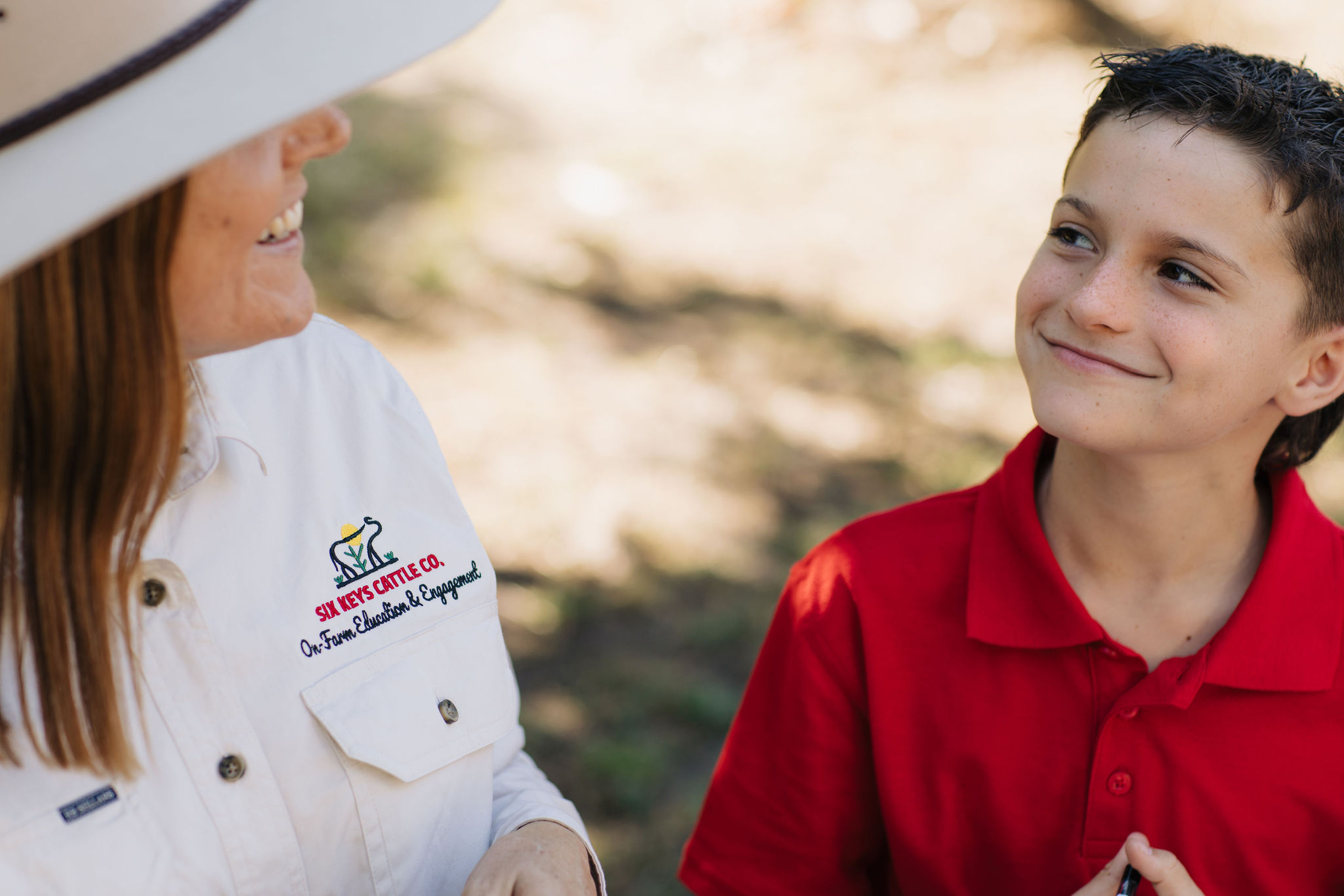
Something shifts when a child steps outside the classroom. It's hard to quantify exactly, but teachers, parents, and researchers have all noticed it. The restless student settles. The withdrawn one opens up. The child who rarely speaks in class suddenly has something to say.
Mental health in Australian primary schools is a growing concern. Rates of anxiety and disengagement among young students are rising, and many educators are searching for approaches that genuinely help, not just programs that look good on paper. What the research keeps pointing back to is something farmers have understood for generations: time spent outdoors, doing real things alongside other people, matters.
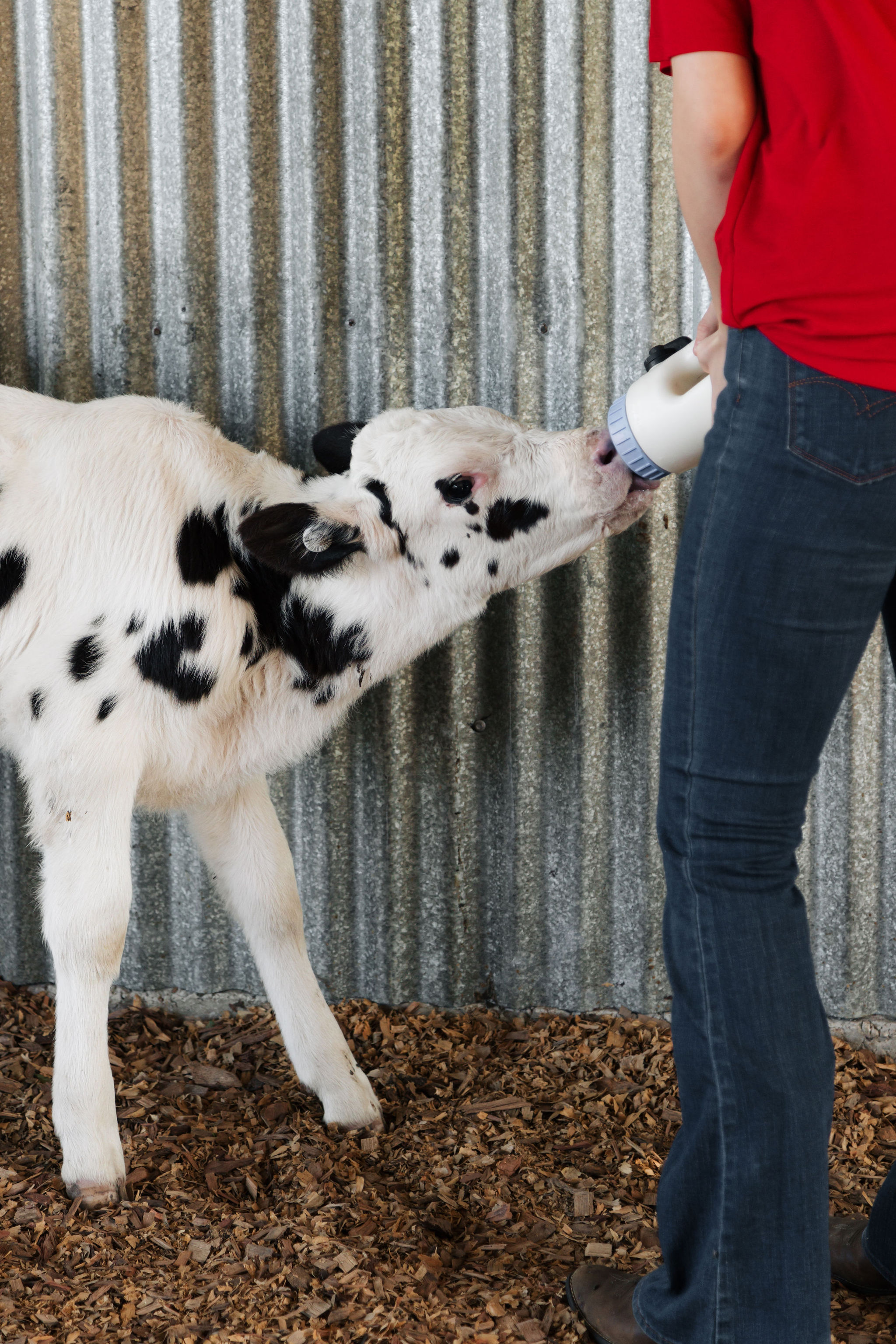
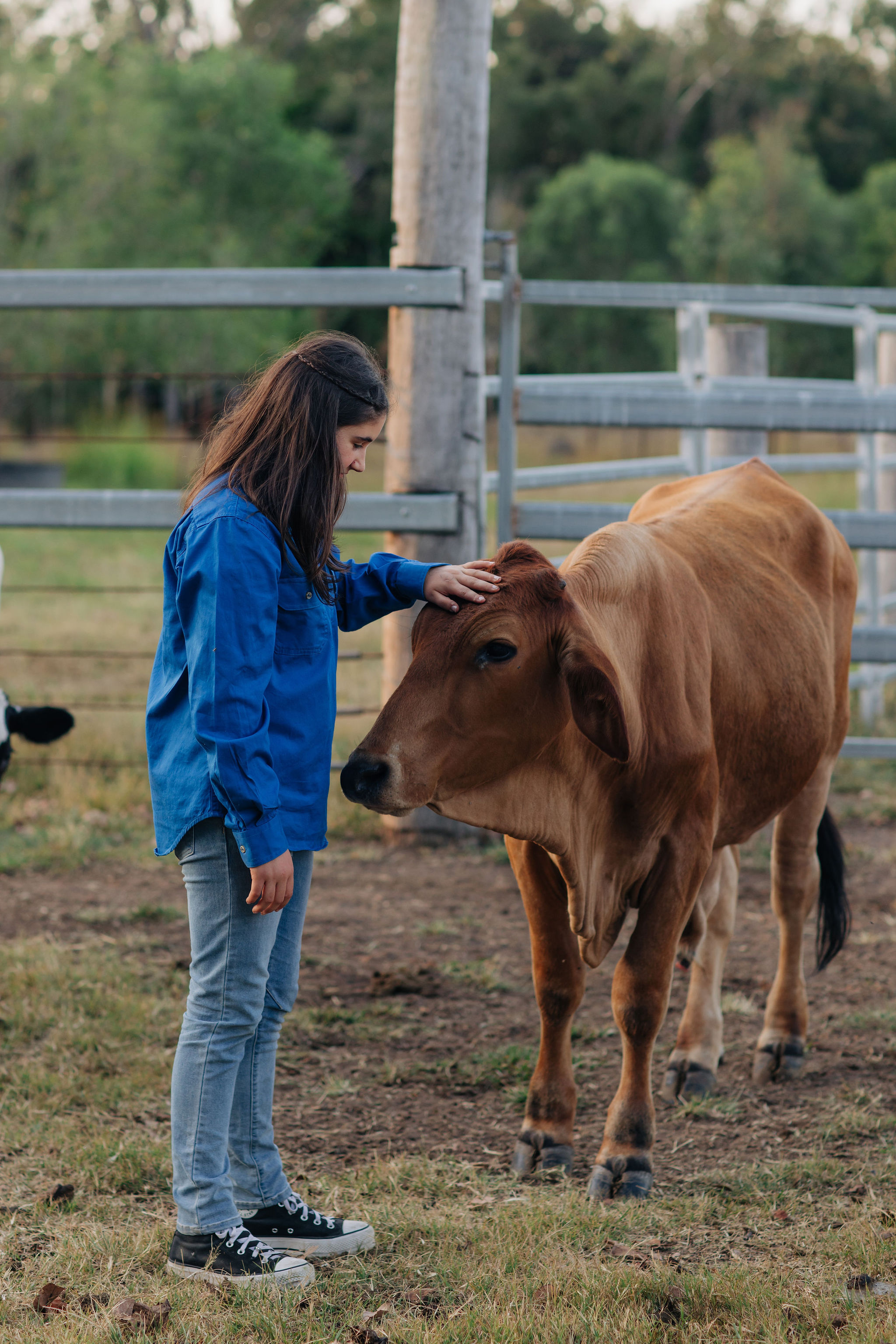
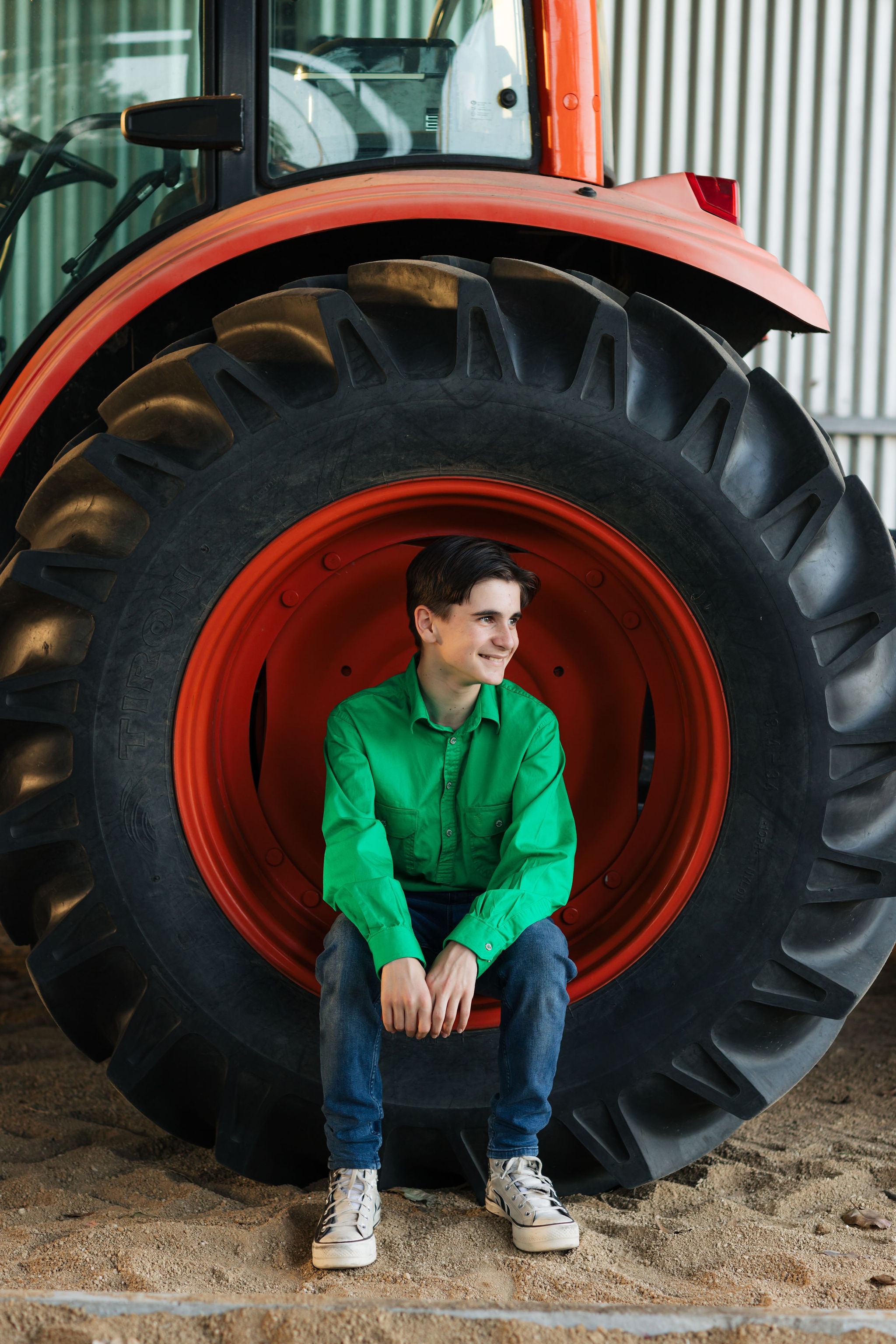
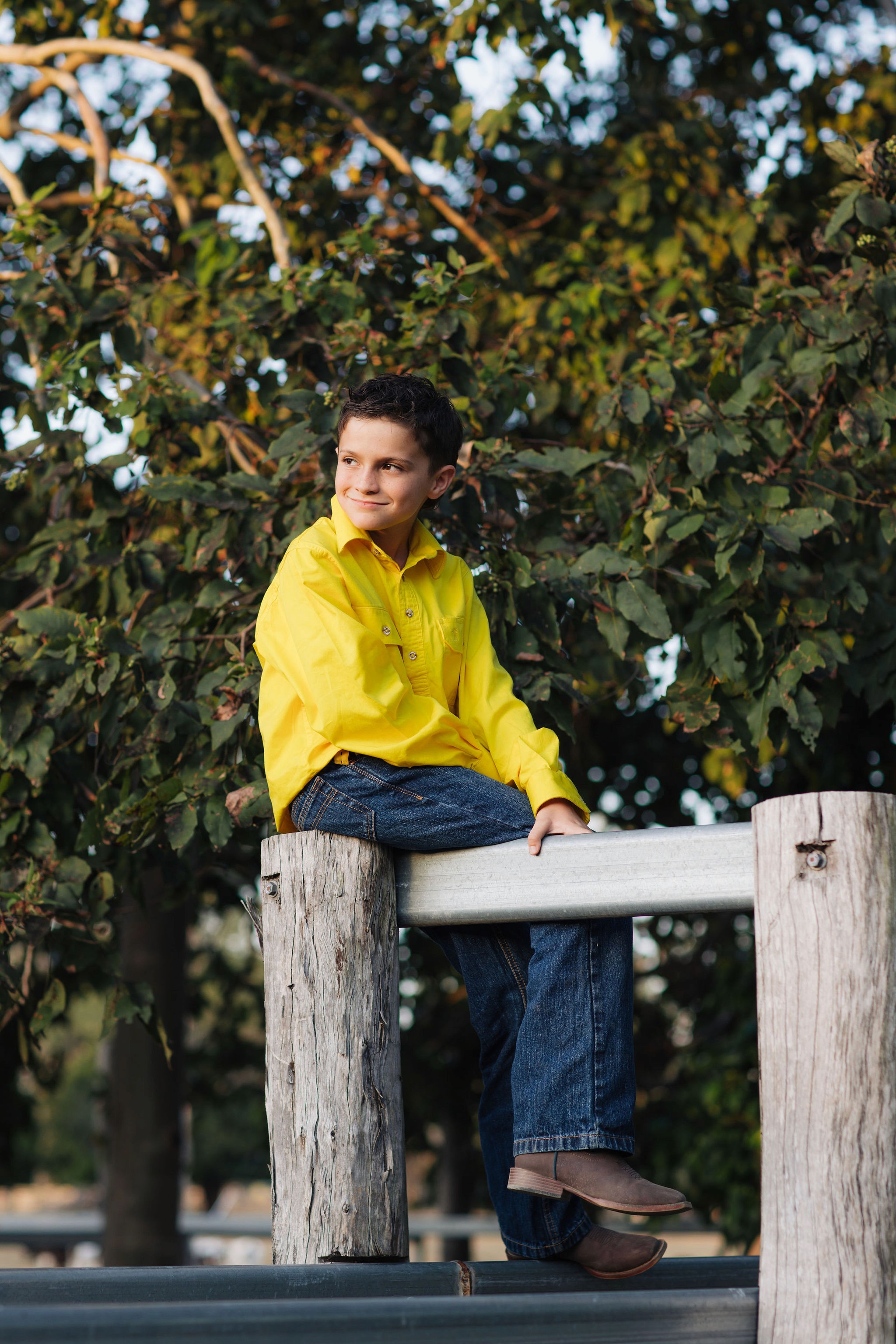
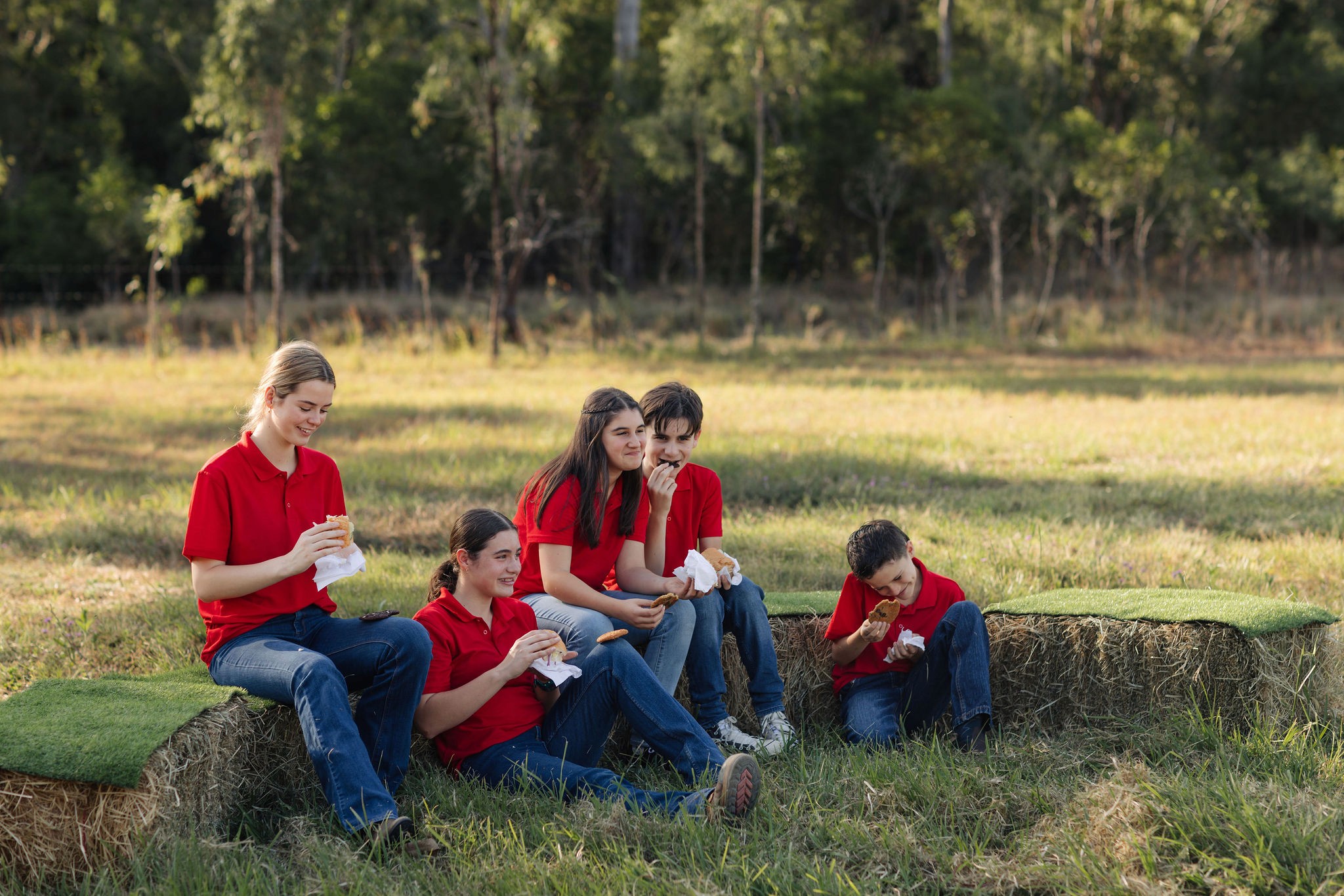
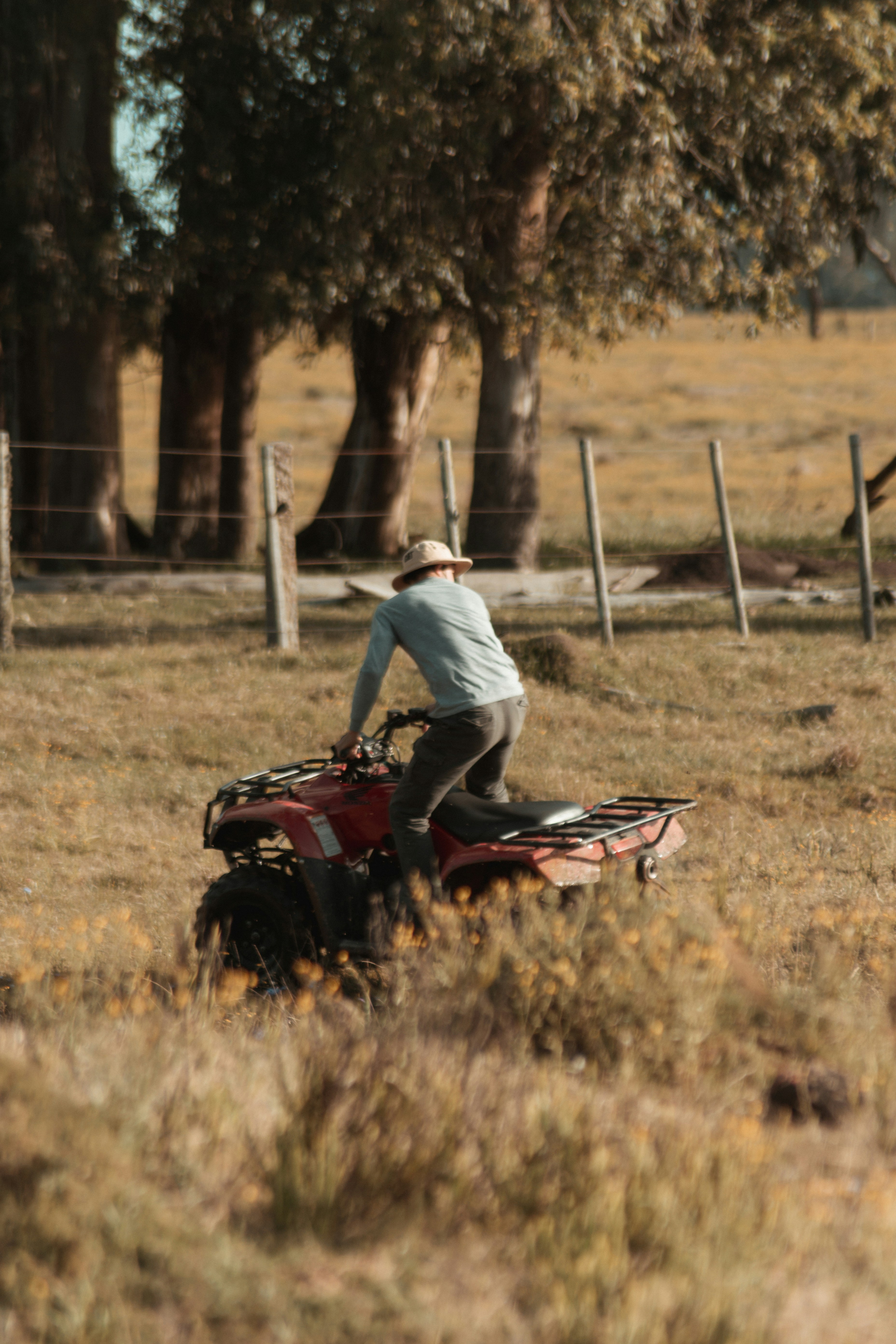
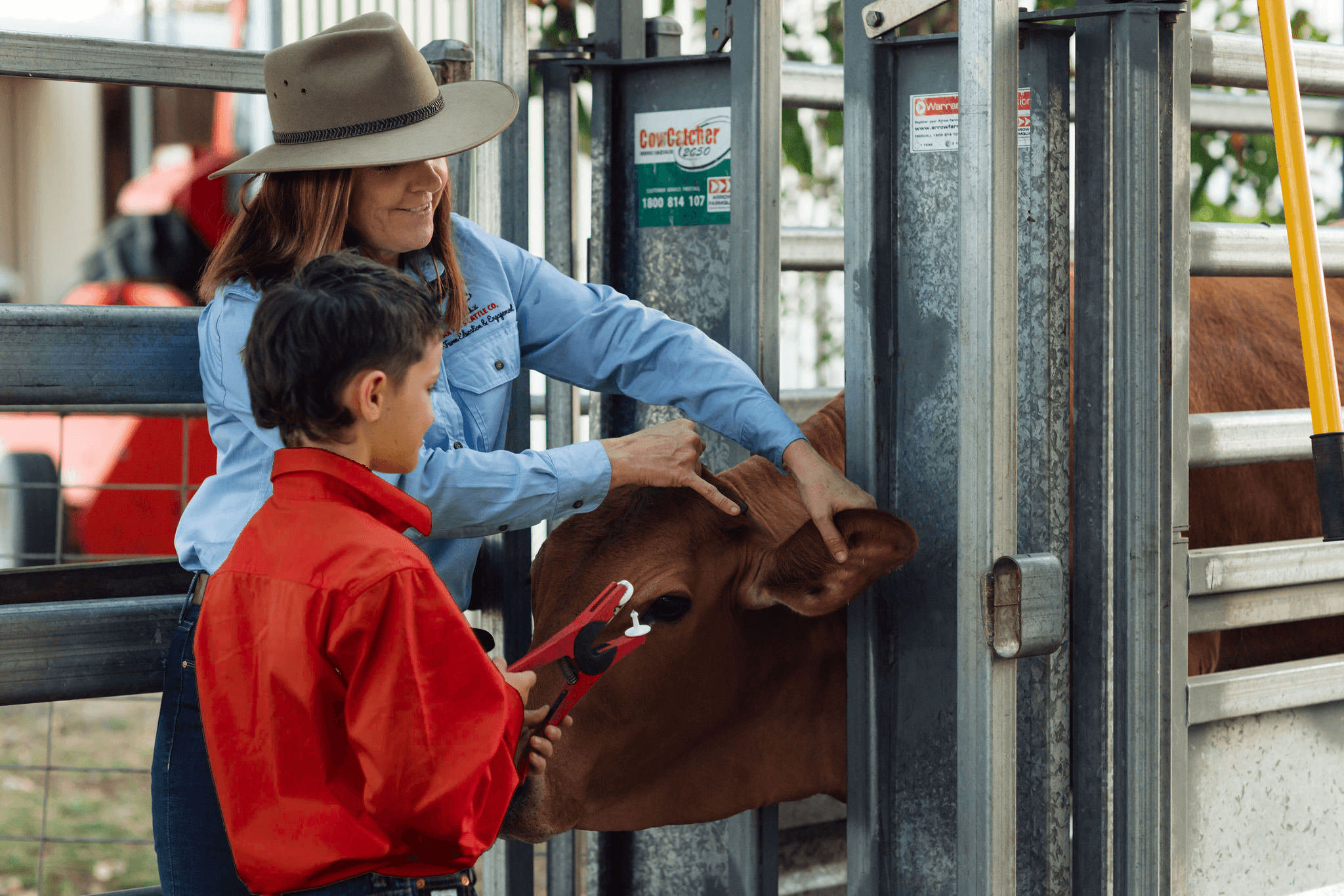
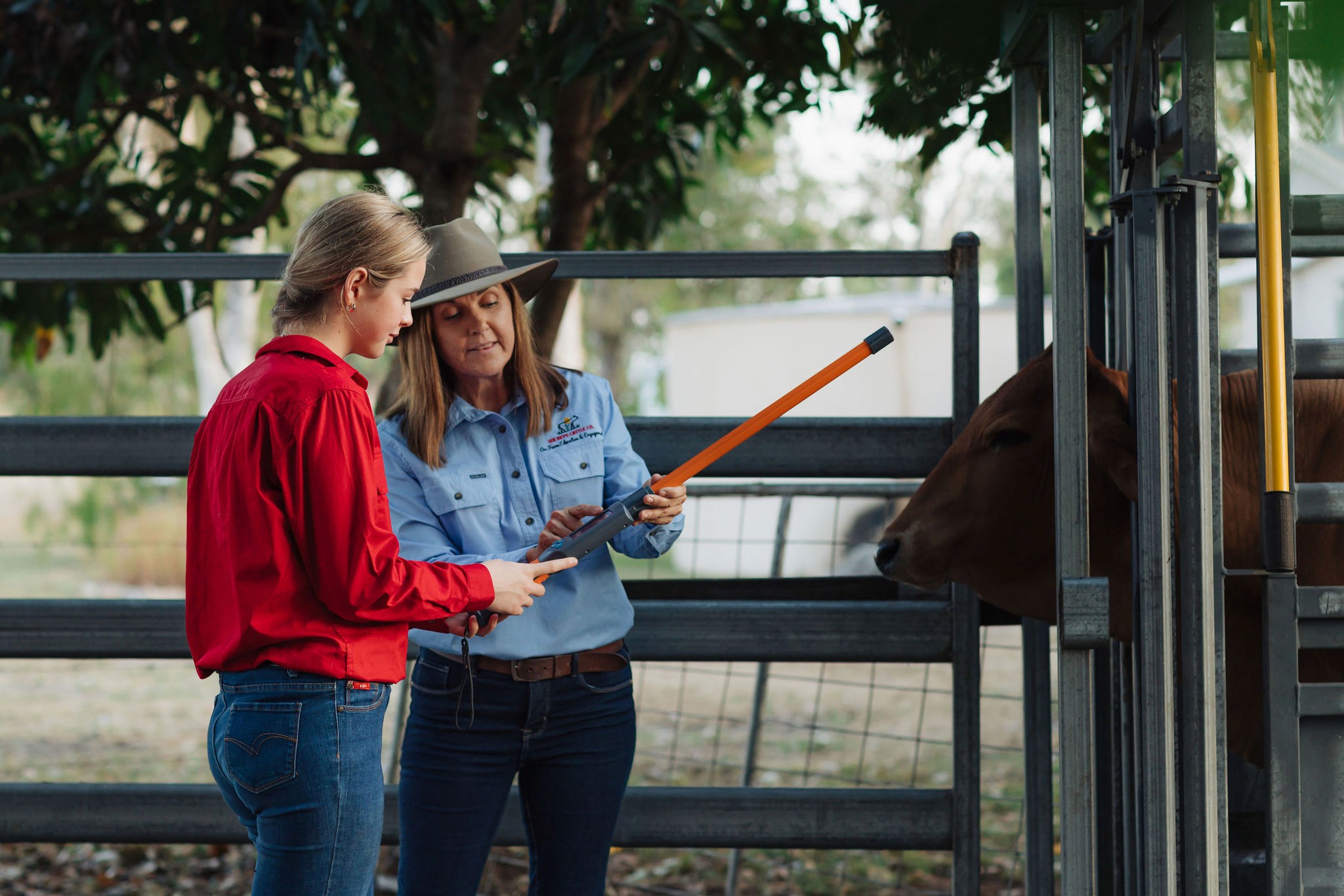
At Six Keys Cattle Co in Central Queensland, this isn't a theory. Students who visit the farm aren't sitting in rows, working through worksheets about nature. They're beside cattle. They're helping manage stock. They're watching working dogs respond to commands and asking questions about why animals behave the way they do. The learning is physical, social, and emotionally engaging in ways that a living, breathing, bellowing classroom simply cannot replicate.
Research consistently shows that outdoor learning reduces anxiety, improves mood, and supports emotional regulation in children. Exposure to natural environments lowers cortisol levels, the hormone closely linked to stress, while purposeful physical activity releases endorphins that support a more stable, positive mental state. But it isn't just about being outside. What the evidence points to is meaningful engagement, learning that feels relevant, purposeful, and real.
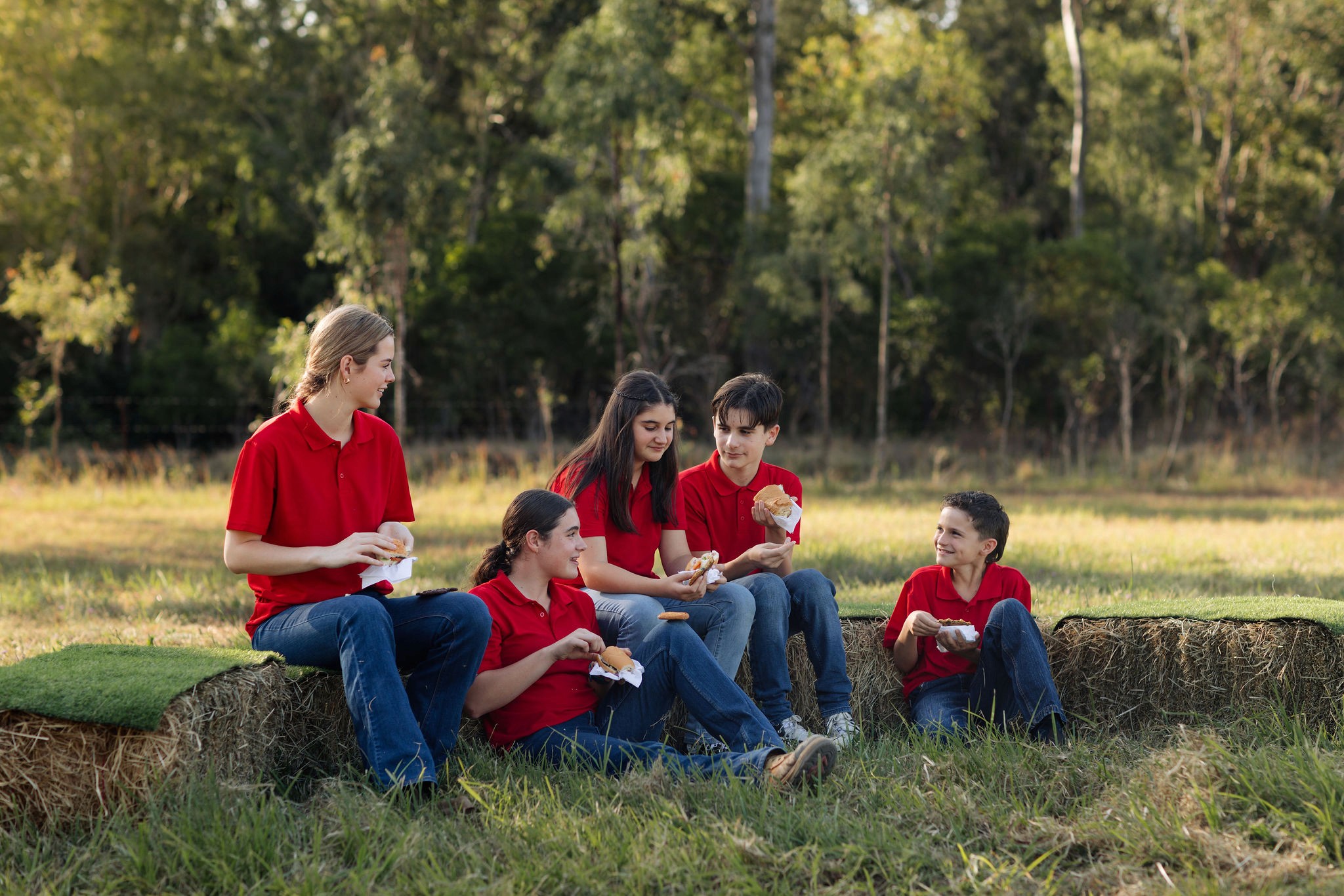
A working farm delivers exactly that. When students care for animals, they develop empathy and a sense of responsibility that builds genuine confidence, the kind that comes from doing something real, not just being told they've done well. When they collaborate in small groups to solve practical problems, communication skills grow alongside social belonging. And when children feel connected to place, to purpose, and to each other, wellbeing follows.
For students who struggle in traditional learning environments, the farm offers something different. The outdoor setting, the sensory experience, the absence of bells and desks, these things create space for children who process the world differently to genuinely thrive. Teachers who bring their classes to Six Keys often comment on seeing students they've rarely seen engaged come alive on farm.
Outdoor learning isn't a remedy for every challenge children face. But the evidence is clear, and so is what happens on farms like Six Keys every time a group of students walks through the gate. Learning outdoors, learning through doing, and learning in connection with the natural world supports children in ways that go well beyond the curriculum.