There's a reason children remember the excursion they went on in Year 3 long after they've forgotten what was on the whiteboard that same week. Memory isn't random. The brain is wired to hold onto experiences that engage the body, the senses, and the emotions, and to release information that arrived without any of those things attached.
Cognitive researchers describe this as embodied learning: the understanding that thinking isn't a purely mental activity. When children move through a space, handle real materials, and respond to sensory information, the brain processes and stores that experience differently to passive instruction. The neural pathways involved are deeper, more connected, and significantly more durable.
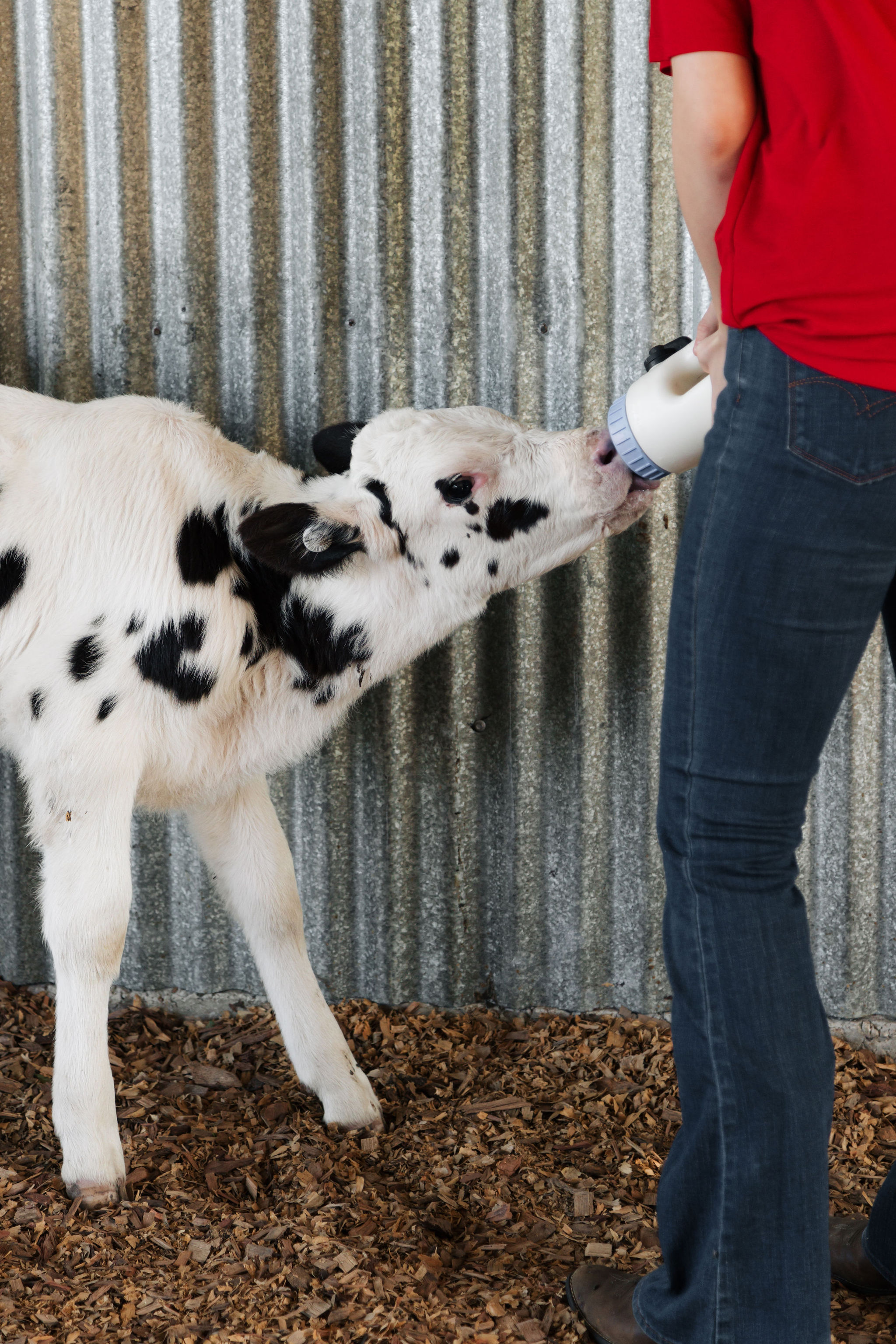
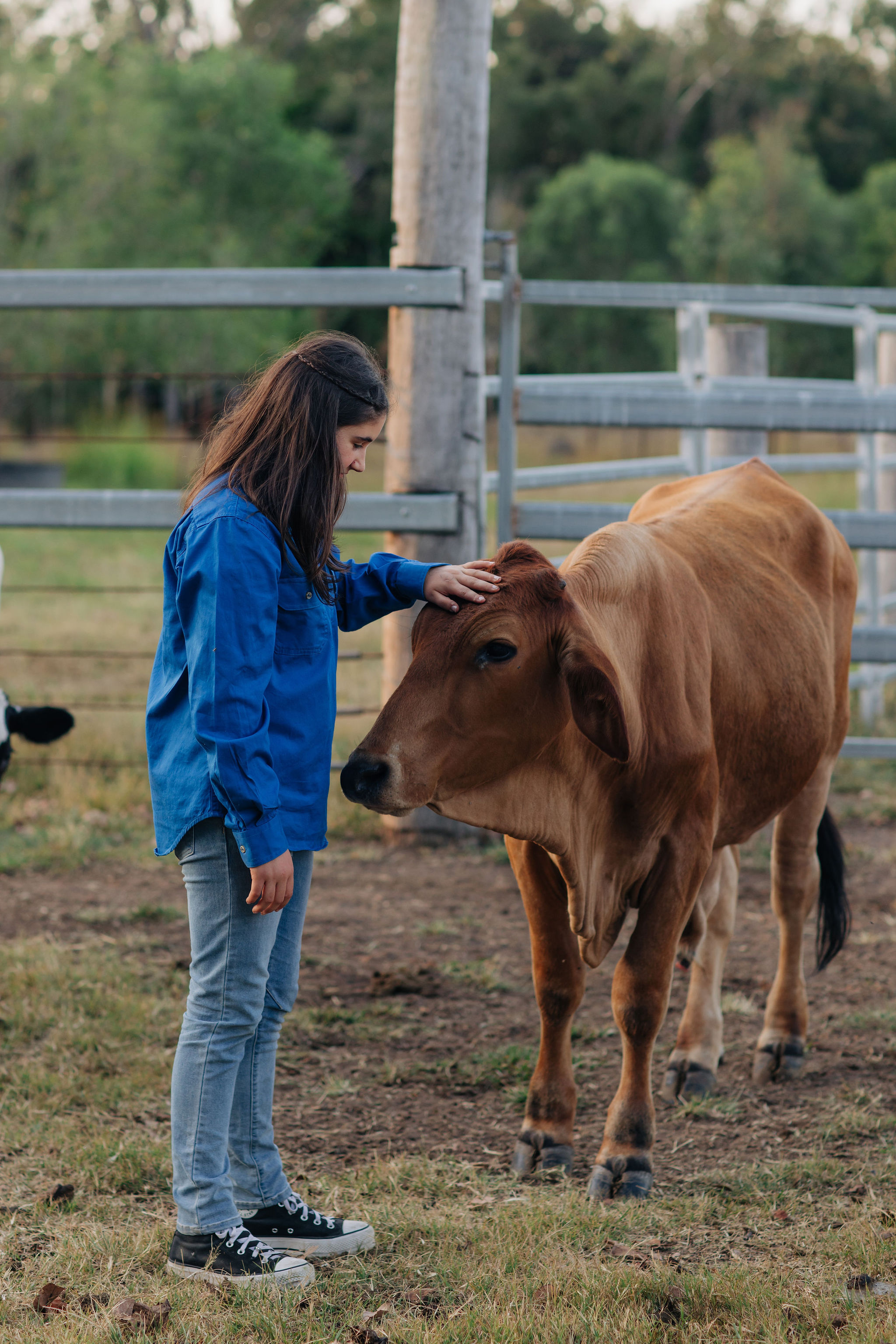
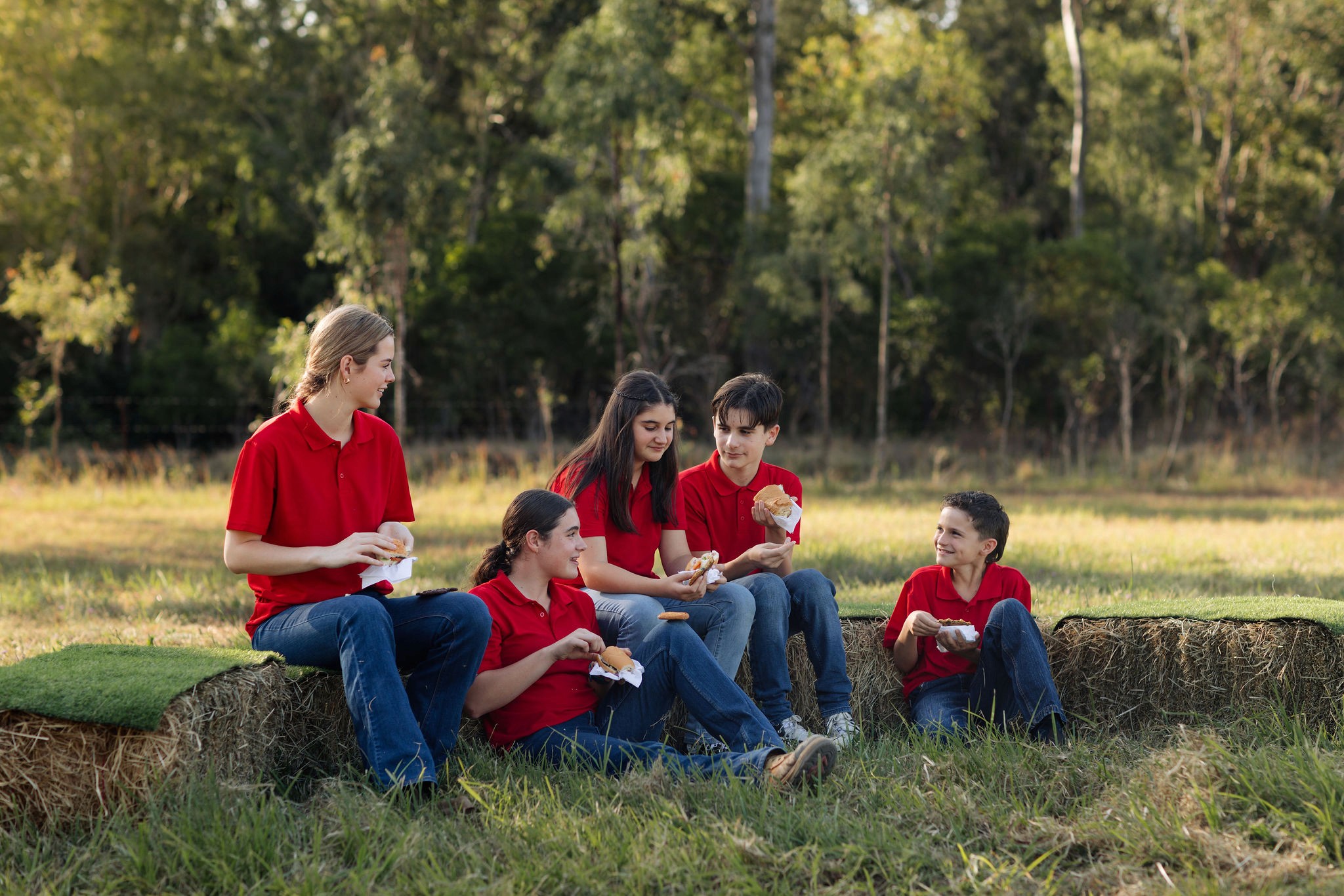
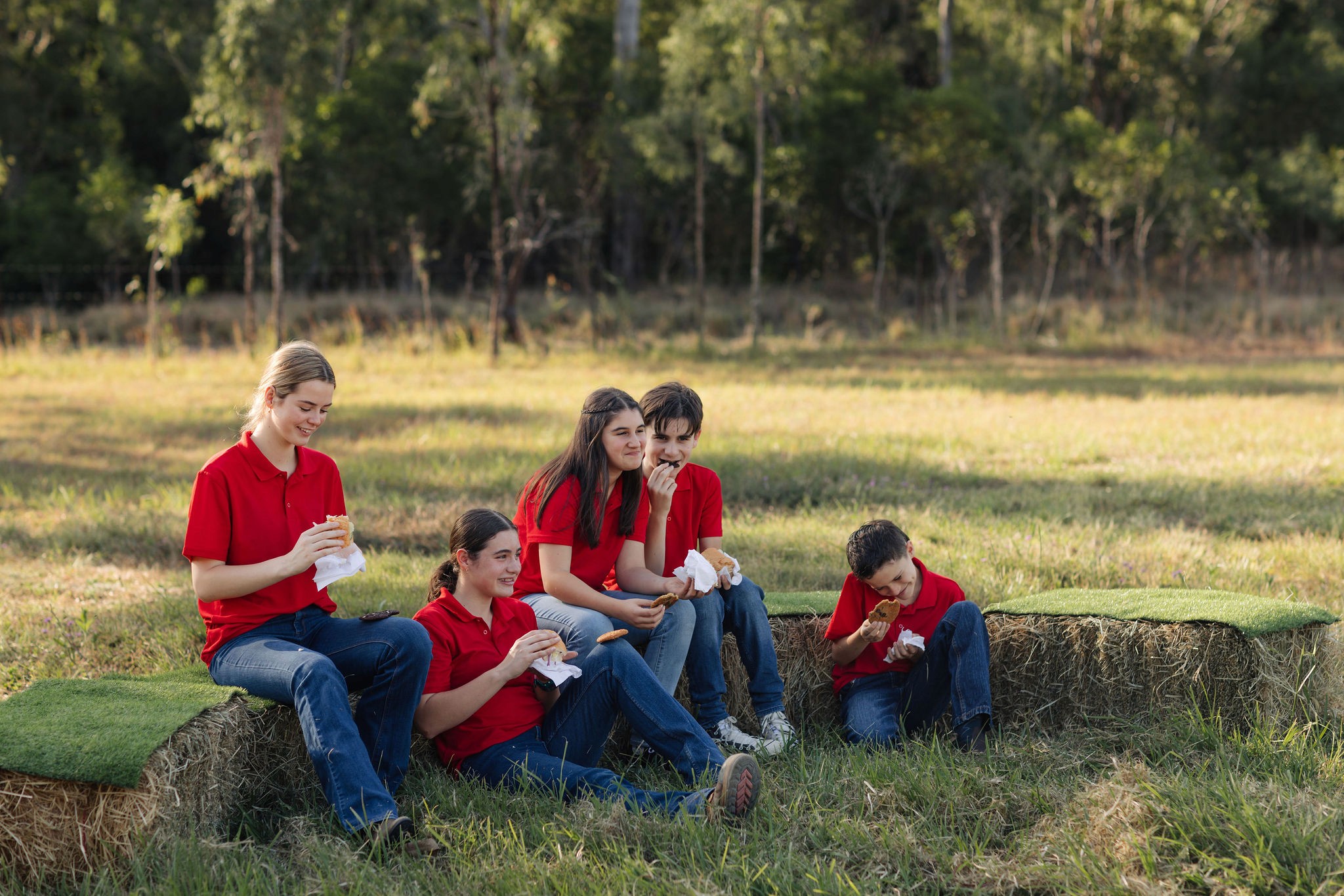
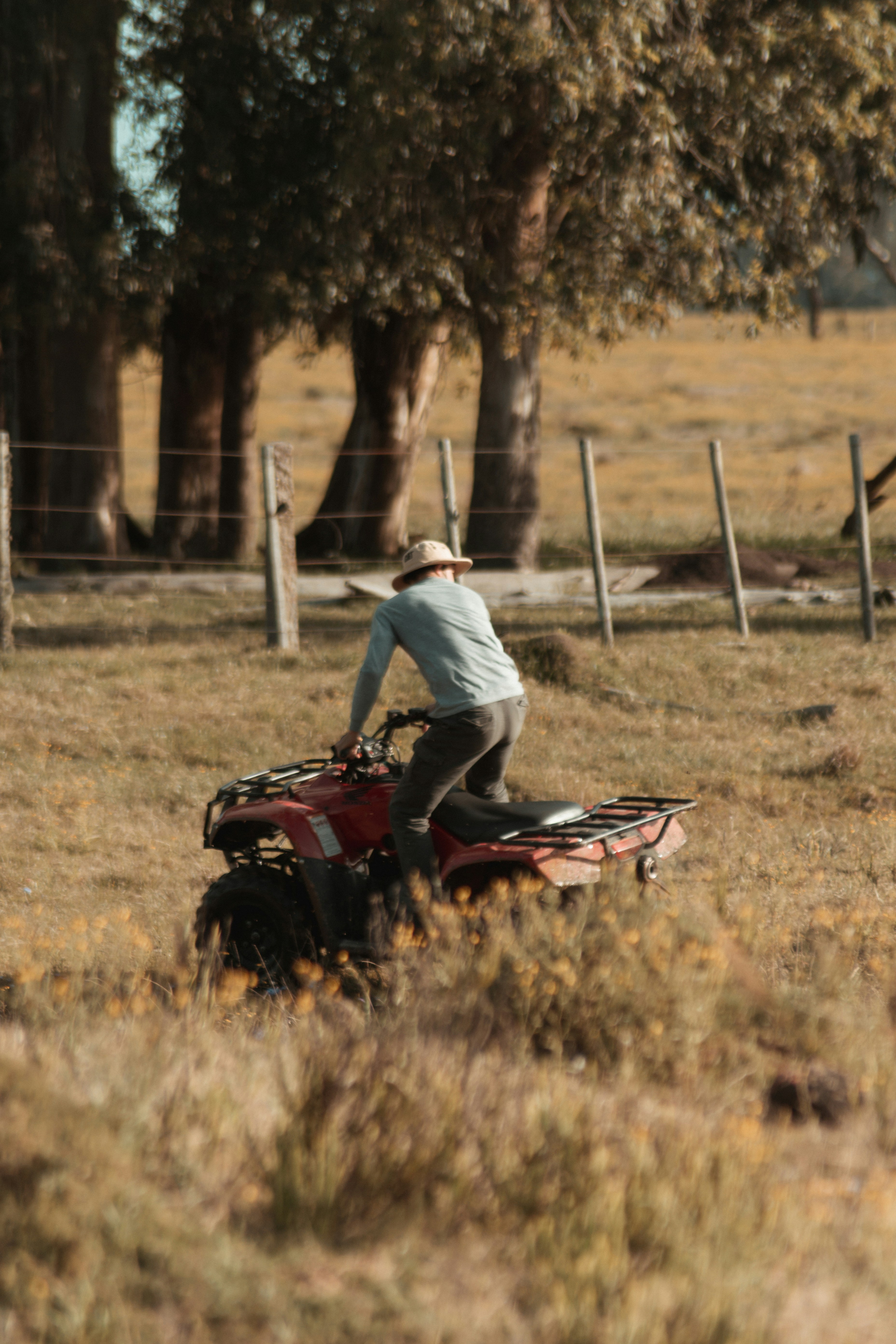
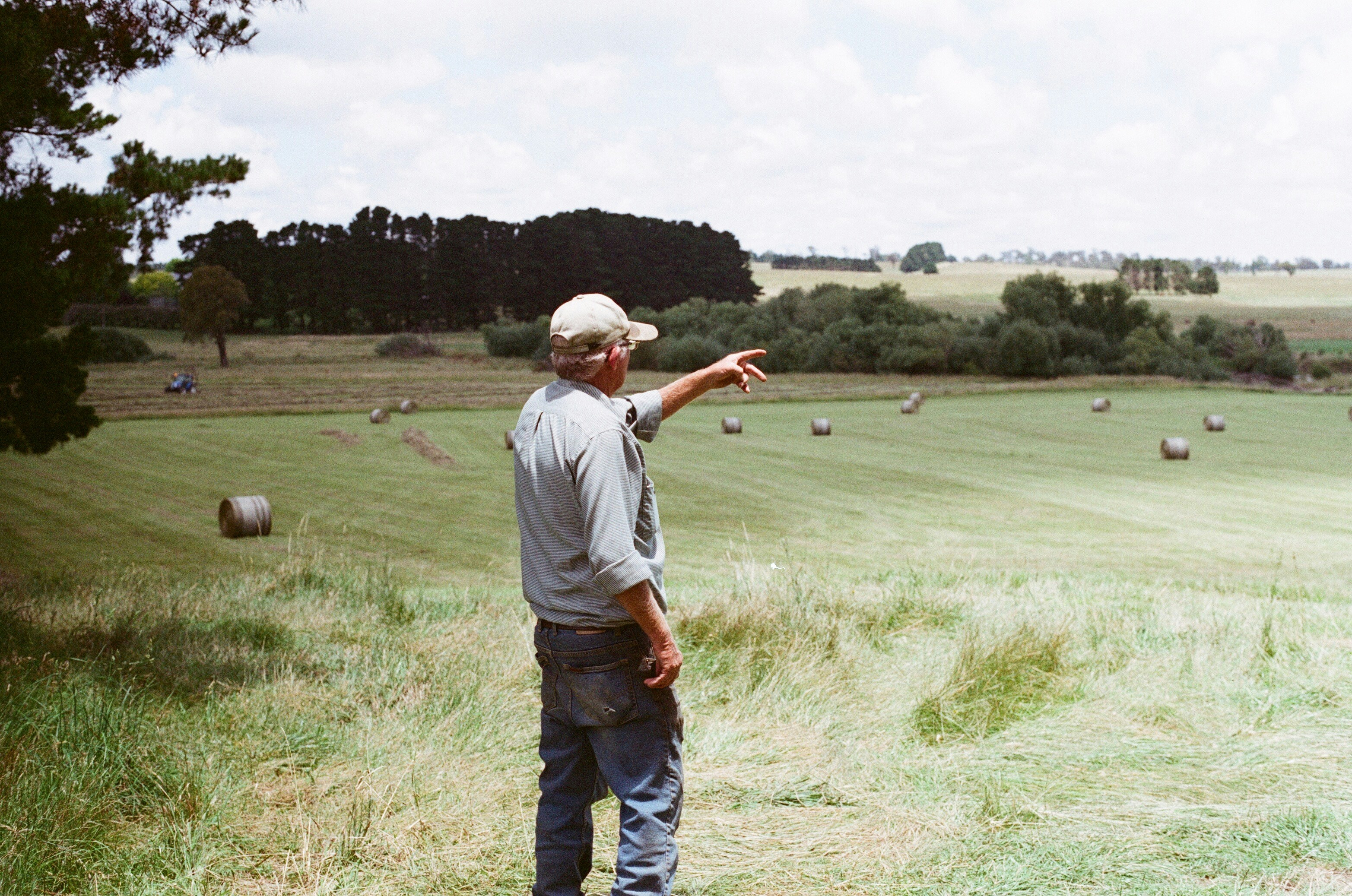
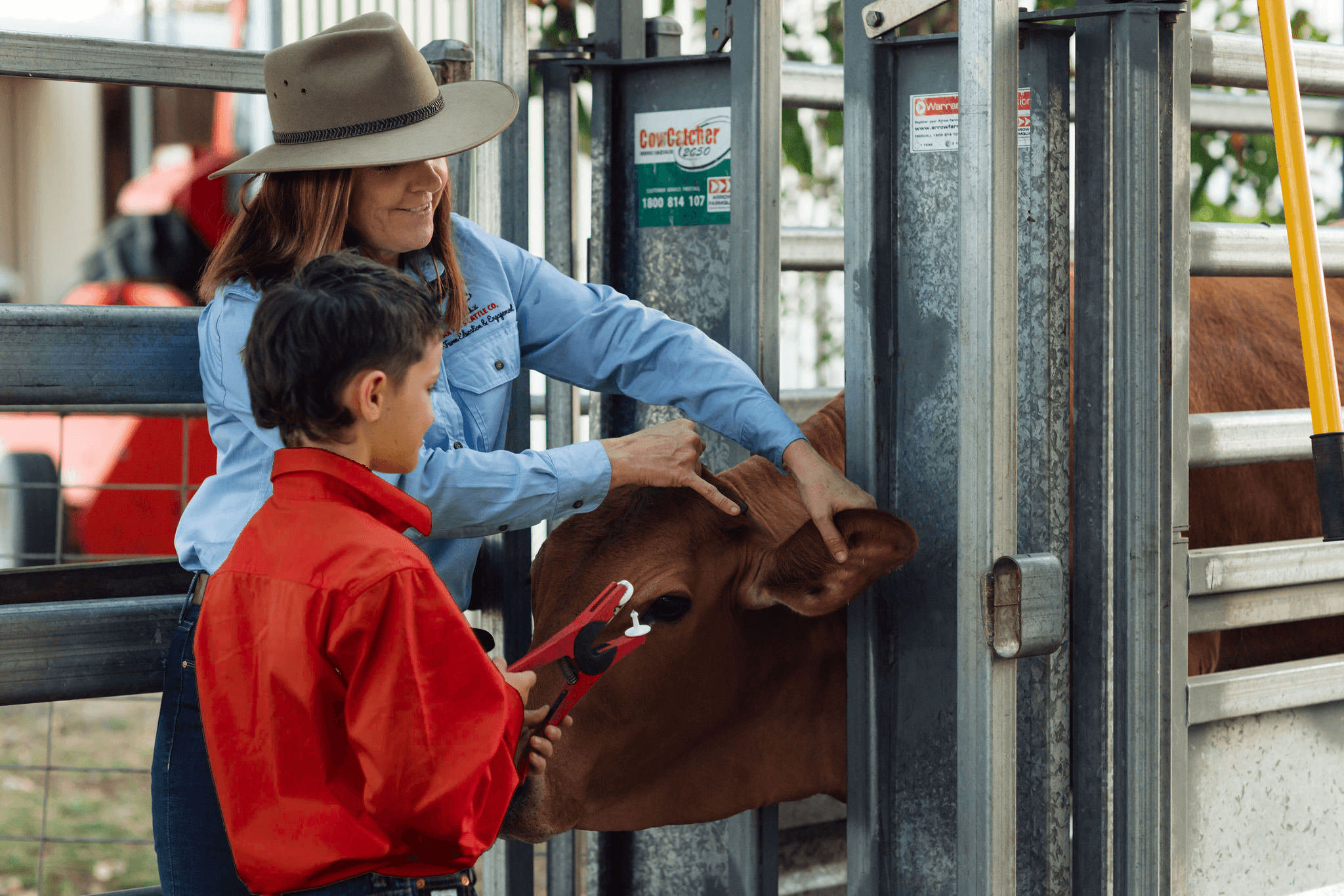
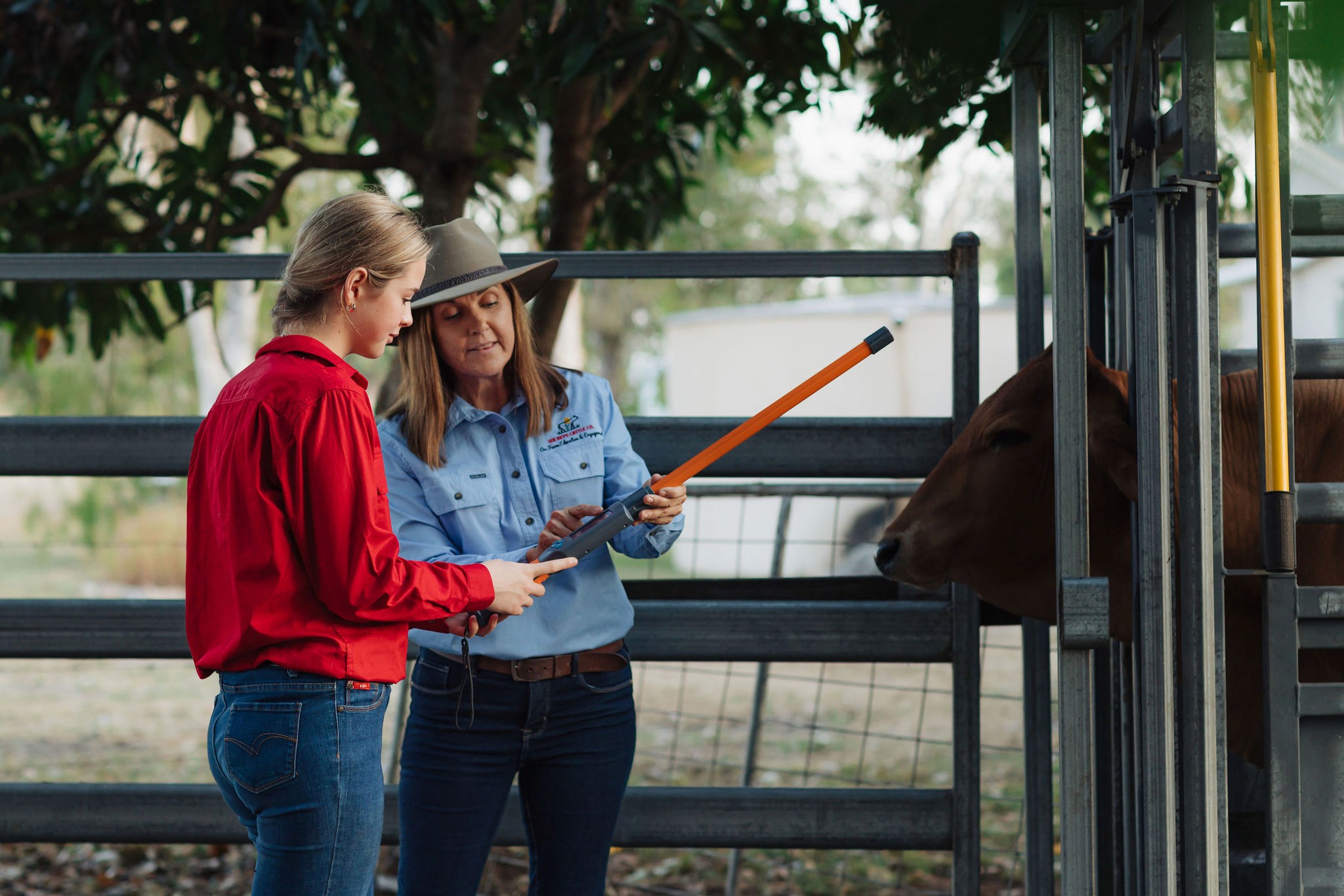
A working farm is one of the most complete embodied learning environments that exists. At Six Keys Cattle Co, students aren't reading about animal nutrition or land management from a textbook. They're beside cattle, observing feeding routines, asking questions that lead to more questions, and working through real problems with their hands and their thinking together. Every sense is engaged. Every observation leads somewhere.
That kind of engagement changes how the brain approaches learning. Research into attention and motivation consistently shows that students retain more when material is meaningful and contextual, when it connects to something real. On a farm, those connections are everywhere and they don't have to be manufactured. Biology, mathematics, geography, ethics, they all surface naturally through the rhythms of everyday farming.
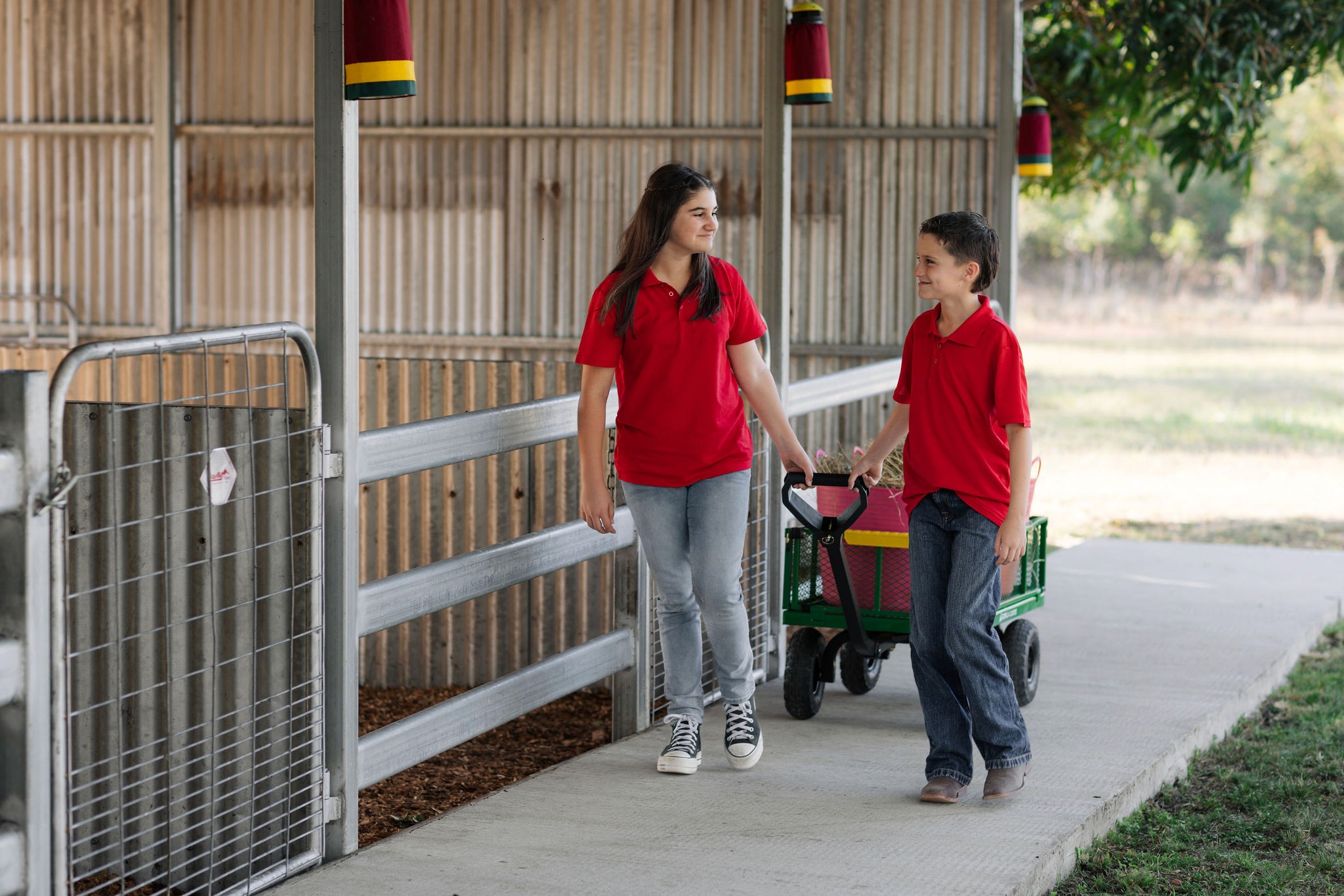
There's also something important in the social dimension. At Six Keys, students work through genuine challenges in small groups alongside peers. Collaborative problem-solving, communication, navigating uncertainty together, these aren't soft skills layered on top of the curriculum. They are the curriculum, lived out in real conditions.
For students who haven't thrived in traditional classroom settings, the difference can be significant. Some children need to move to think. Others need to see and touch before abstract ideas make sense. Outdoor, hands-on environments meet a much wider range of learning styles than a desk and a whiteboard ever will.
The science confirms what good teachers have observed for years. Children don't just learn better outside. They learn differently, in ways that reach further and last longer.
At Six Keys Cattle Co, that's what every farm visit is built on. Not novelty. Not a day off the curriculum. Real learning, in the only environment where it can happen exactly like this.