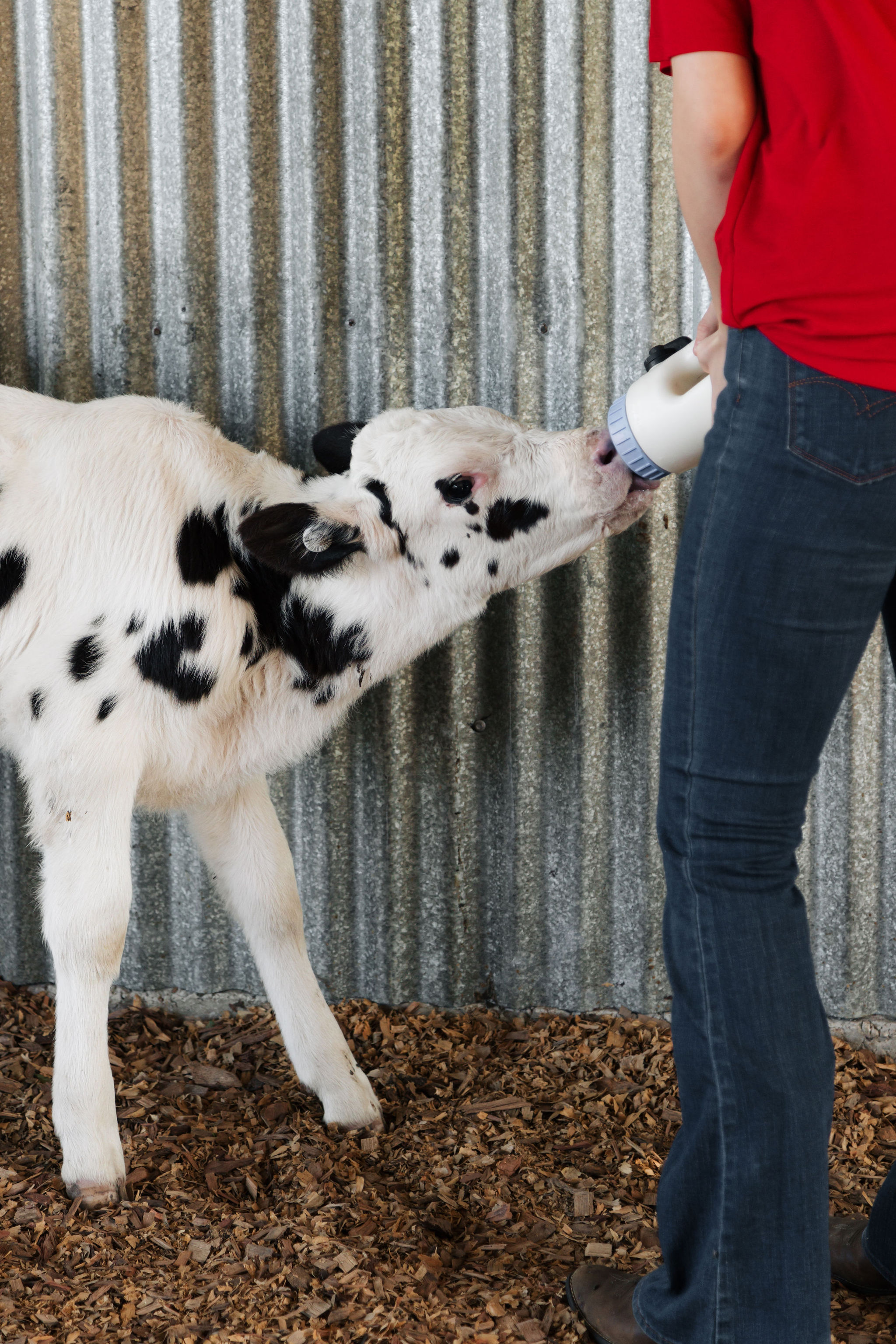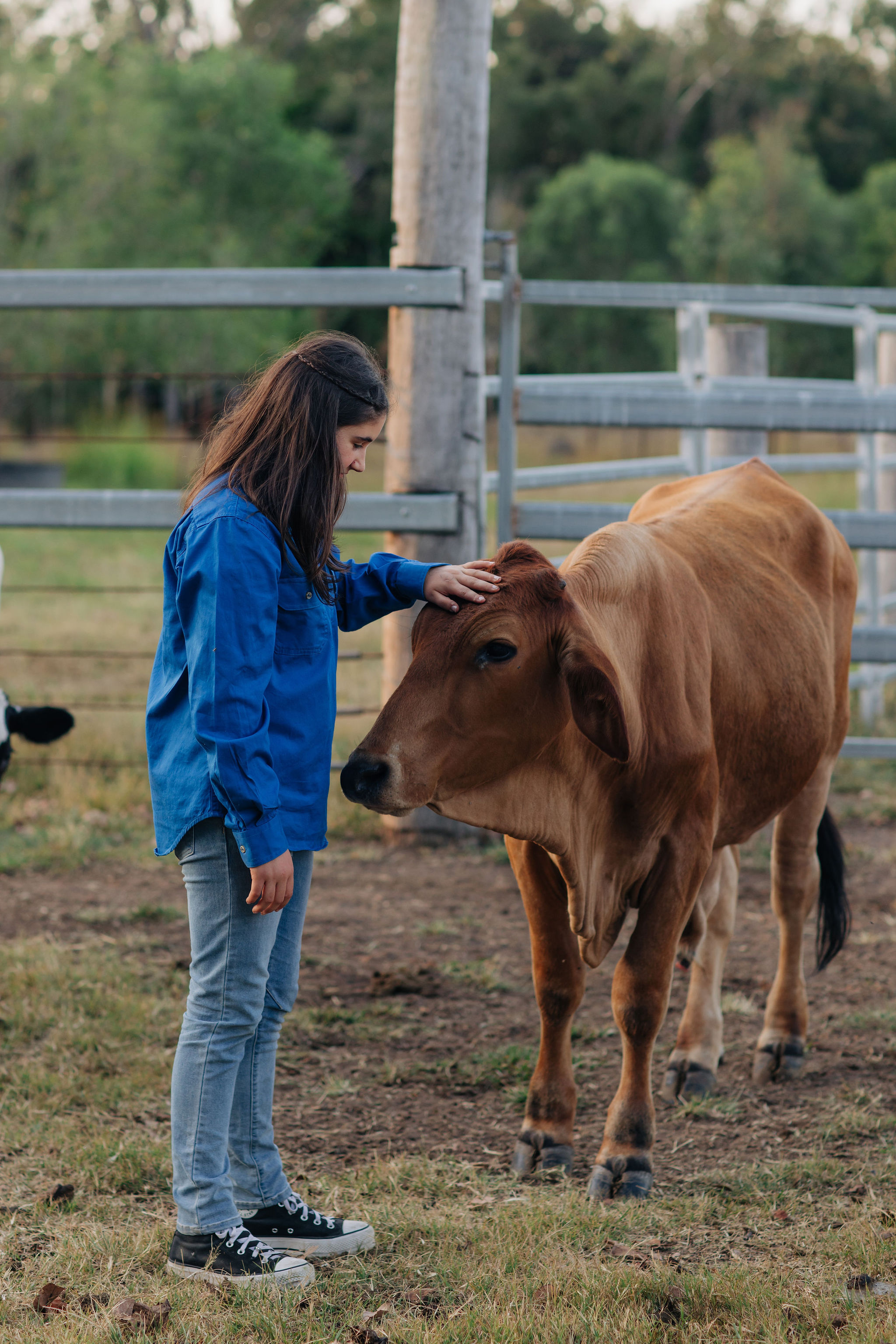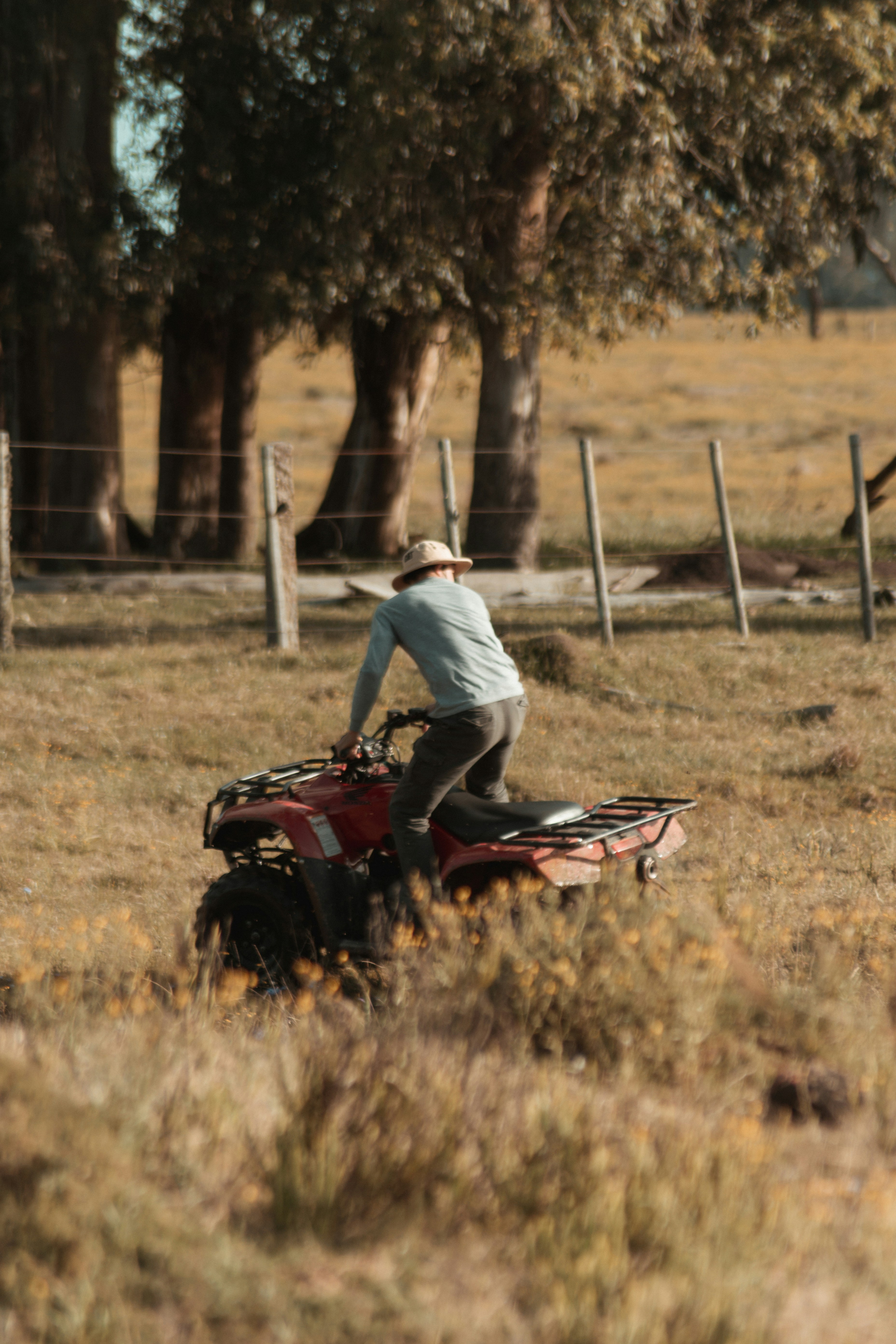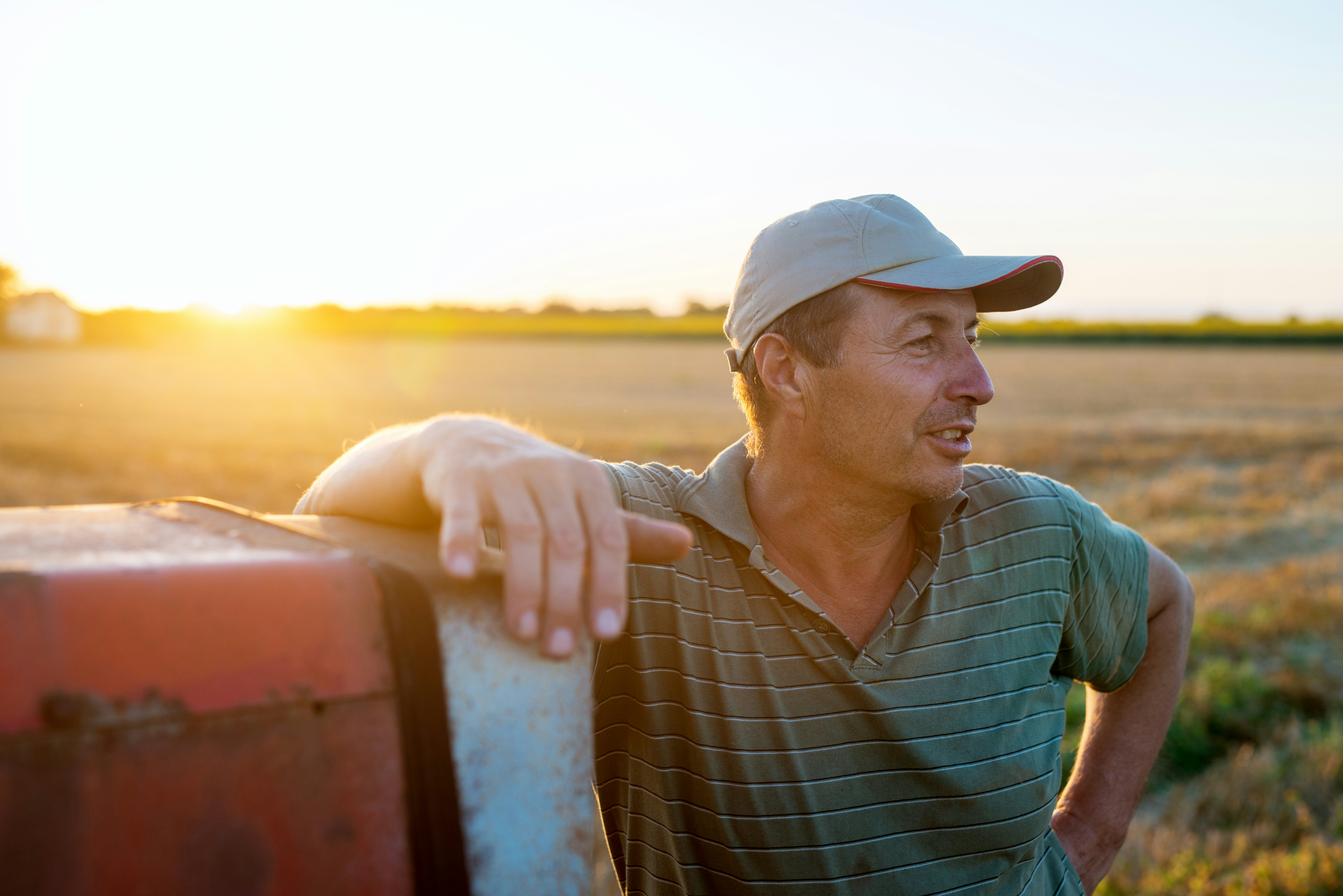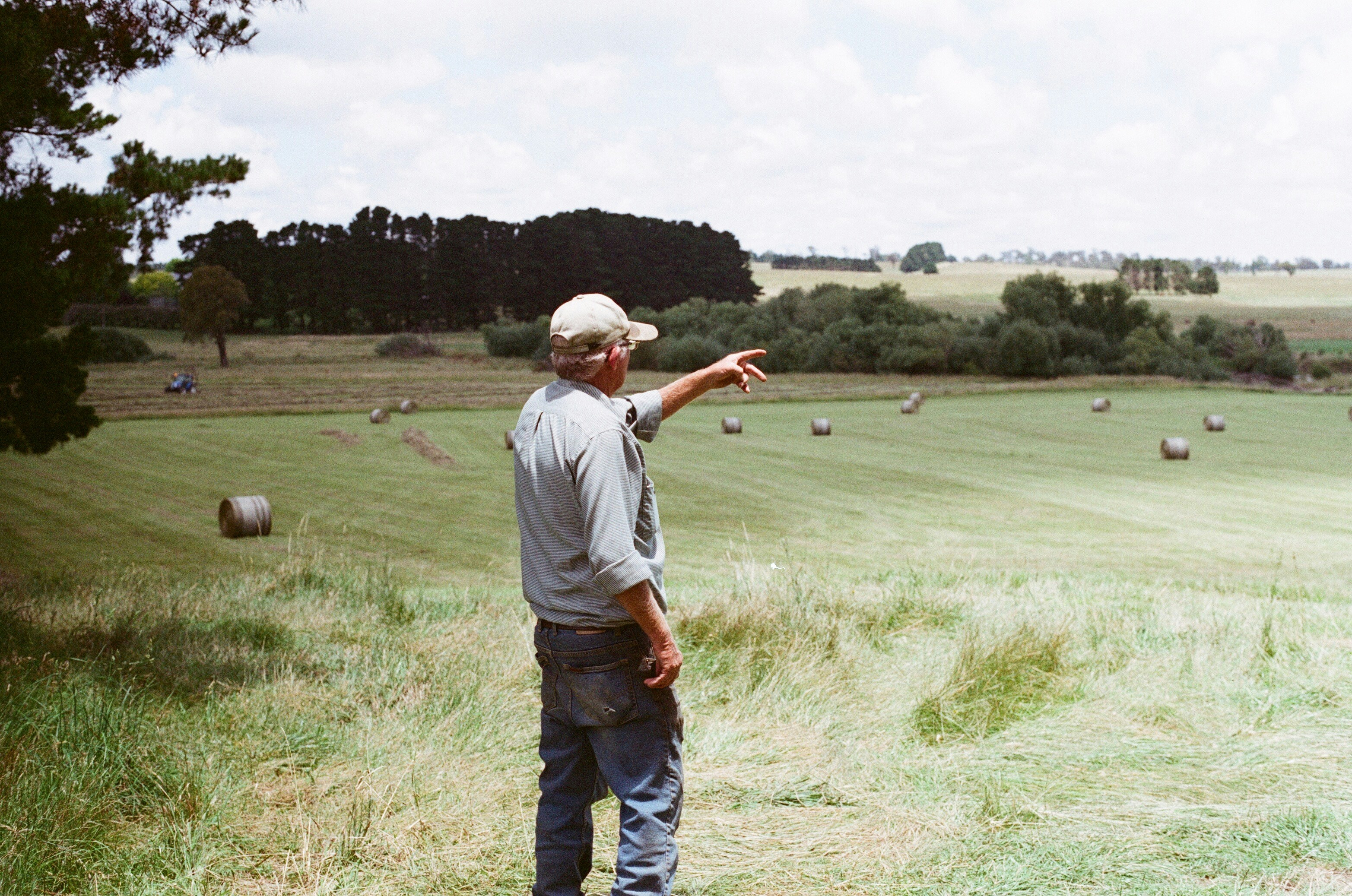
Tom and Lucy didn’t grow up imagining they’d be working cattle together. They met in their mid-twenties, both new to the district, both trying to find their feet. Tom had done some station work after school and liked the outdoors. Lucy came from the city, where farming was something you drove past on the highway, not something you stepped into.
“The first week nearly broke me,” Lucy laughs. “I wore the wrong boots, didn’t know how heavy gates were, and shut one on myself. Tom just said, ‘Righto, we’ll try that again.’”
Starting out together on a cattle property was equal parts exciting and exhausting. Early mornings, long days, dust in places they didn’t know dust could reach, and plenty of moments where one of them would mutter, “What were we thinking?”
But the real test came in their third year.
Tom was diagnosed with a serious illness that required months of treatment in town. Overnight, the rhythm of their farm life changed. Hospital trips replaced musters. Medical bills arrived alongside feed invoices. Lucy found herself stepping fully into roles she’d only just begun to learn, organising contractors, speaking with agents, handling cattle decisions she once deferred to Tom.
“There were nights I sat at the kitchen table and thought, I can’t do this,” Lucy admits. “But the cattle still needed feeding. The fences still needed fixing.”
Neighbours stepped in quietly. A retired couple checked waters. A young family helped with a yard draft. Mentors reminded Lucy, “You don’t have to know everything. Just take the next step.”
Tom, from a hospital chair, would call and talk through decisions. “I realised she didn’t need me to lead,” he says now. “She just needed me to back her.”
That season changed them. Lucy found a strength she didn’t know she had. Tom learned vulnerability isn’t weakness. When his health slowly improved and he returned to the paddocks, they were no longer dividing jobs by confidence, they were sharing them by trust.
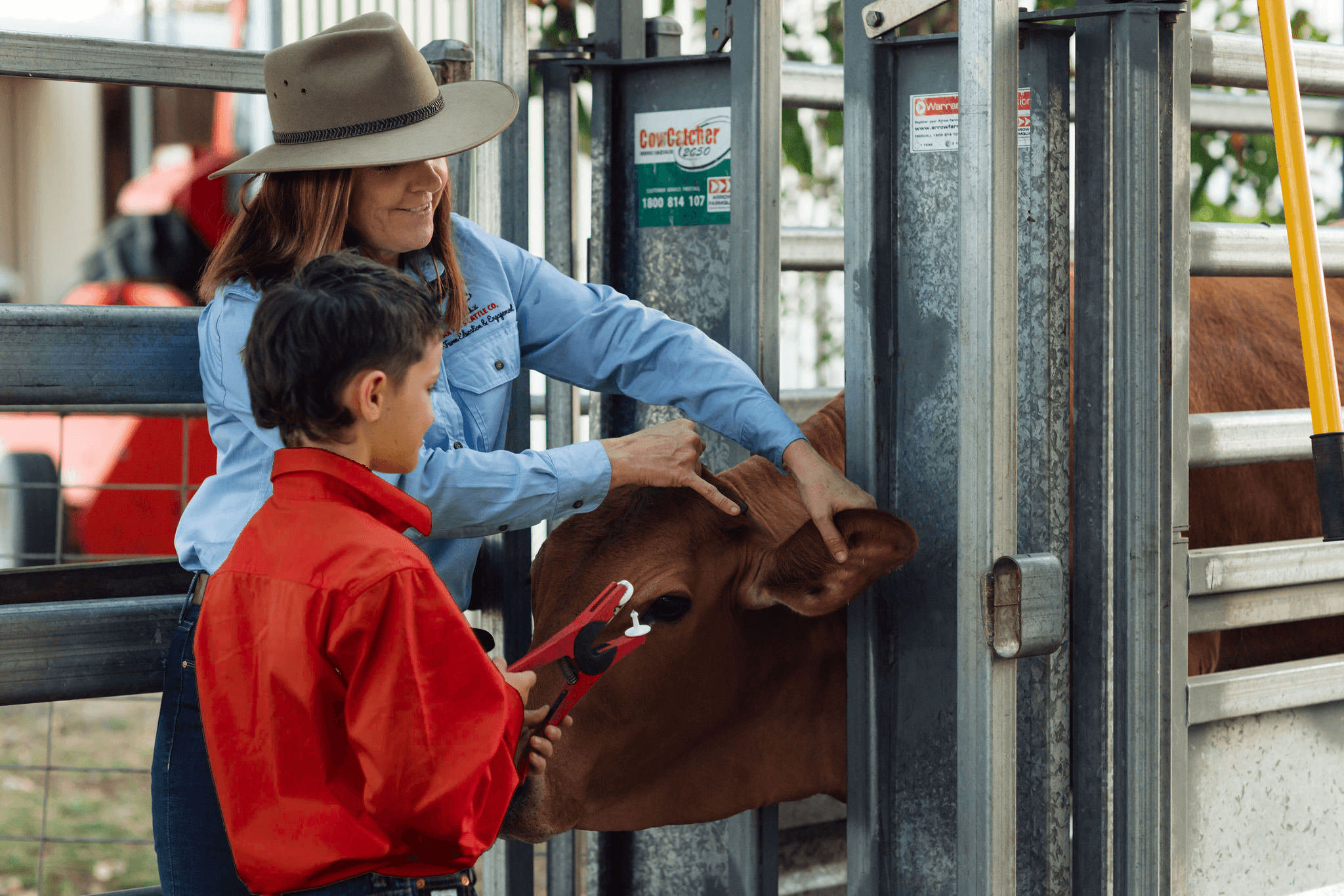
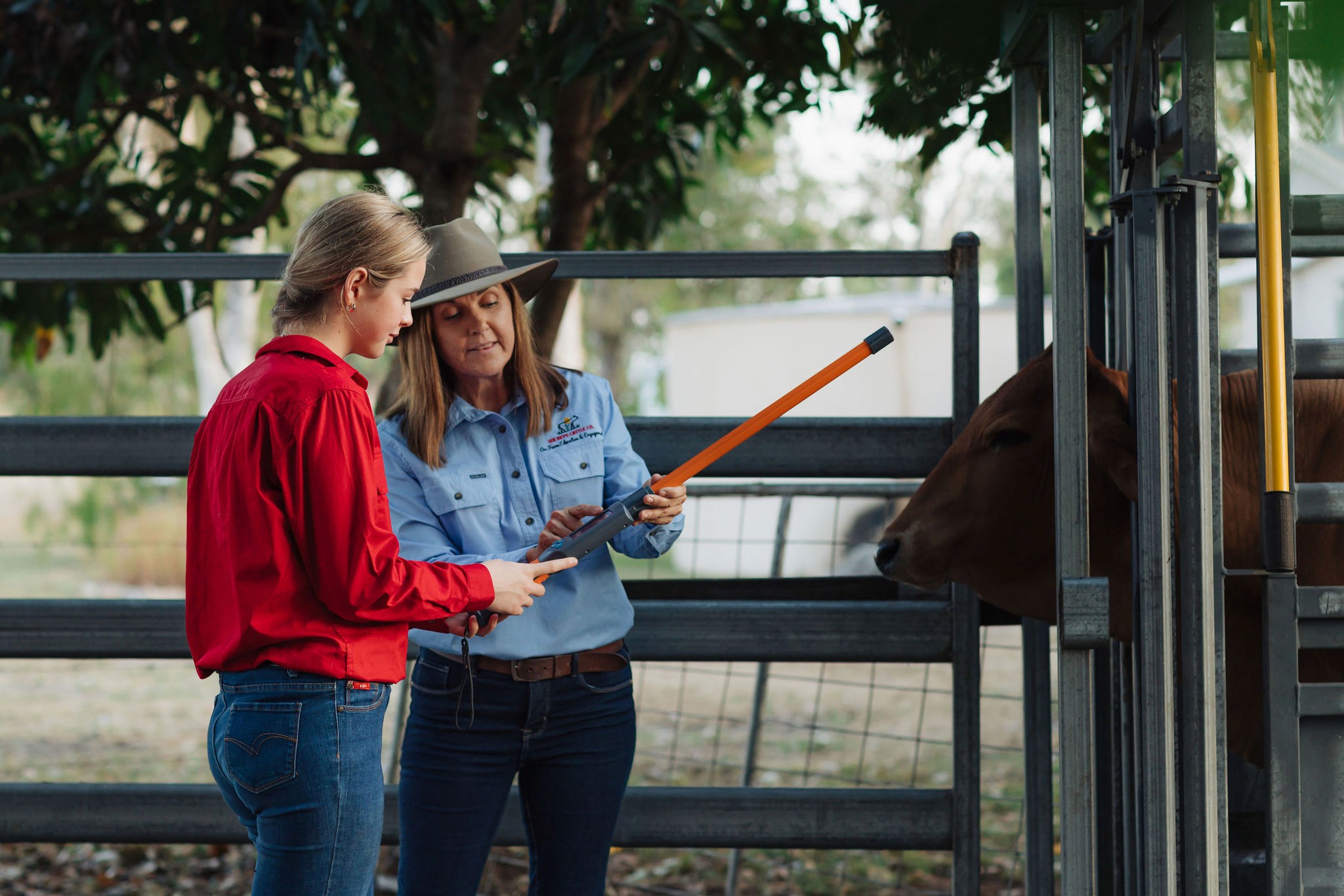
Now, when students visit Six Keys Cattle Co, Lucy is often the one explaining cattle behaviour or demonstrating calm stock handling.
“I tell kids you don’t have to grow up on a farm to belong on one,” she says. “And you don’t have to have it all figured out either.”
Their favourite saying hangs on the shed wall:
“No job’s too hard if you’re not doing it alone.”