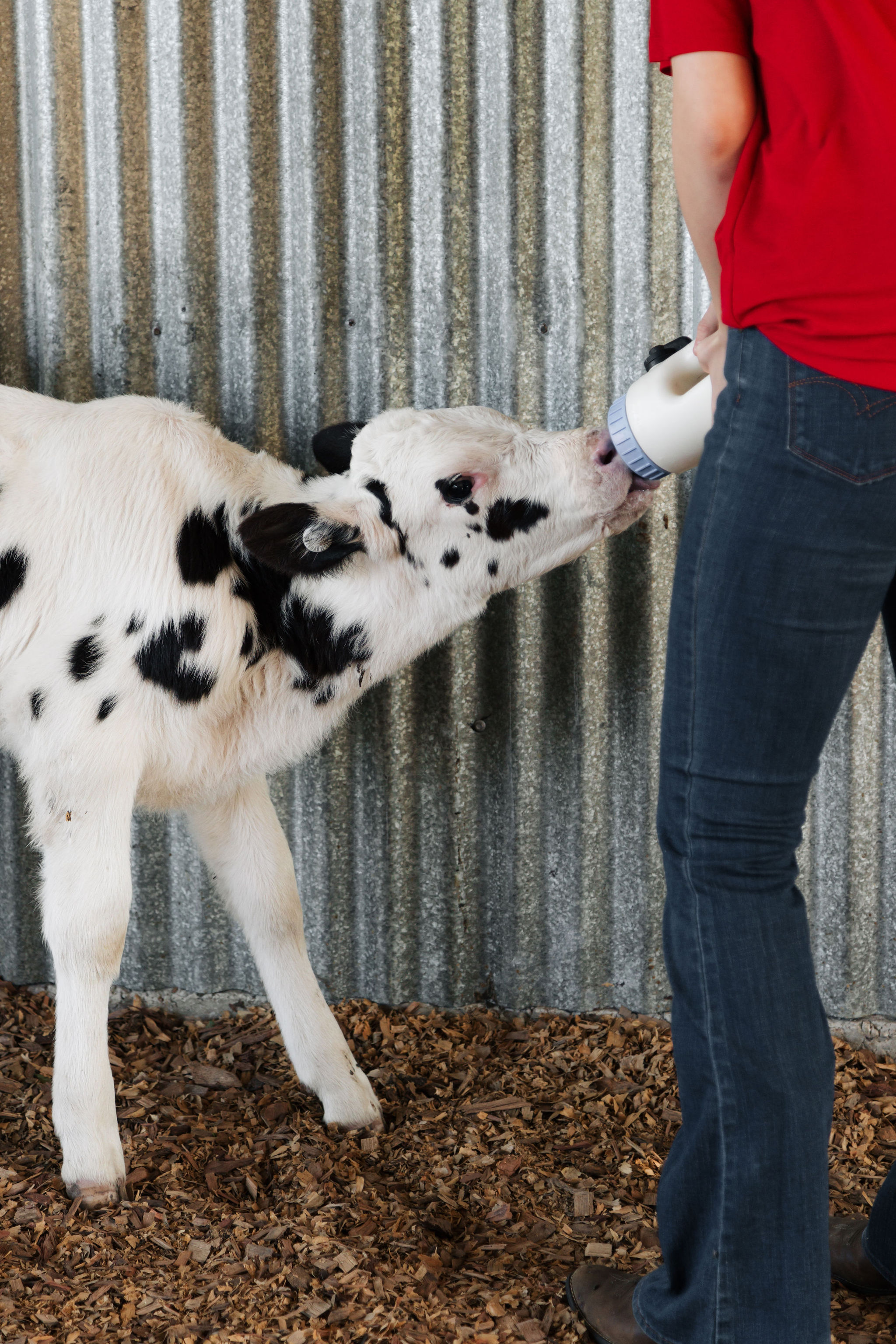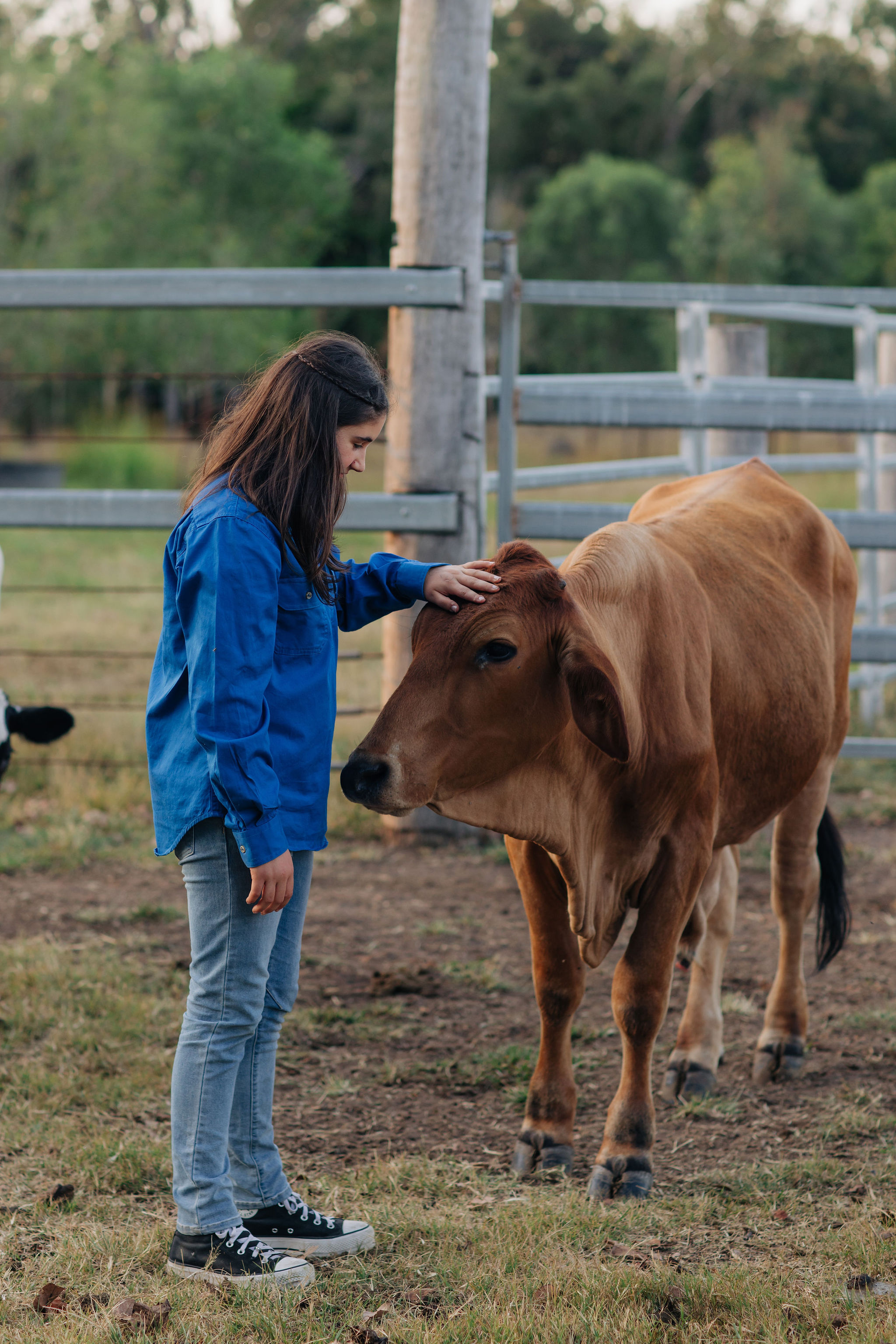
Dave and Karen have worked cattle together for more than 30 years. They’ve raised kids, survived droughts, floods, machinery breakdowns, and seasons where nothing seemed to go right.
“Some days you win,” Karen says. “Other days you just hang on.”
Dave grew up on the land. Karen didn’t. She learned farming the hard way, by doing. Early on, she worried about getting things wrong. Dave worried about carrying too much himself. Farming taught them both the same lesson: no one does this alone.
But as their children grew older, Karen began to feel a quiet pull toward something of her own.
“I loved the cattle,” she says. “But I also loved colour. Beauty. Watching something bloom.”
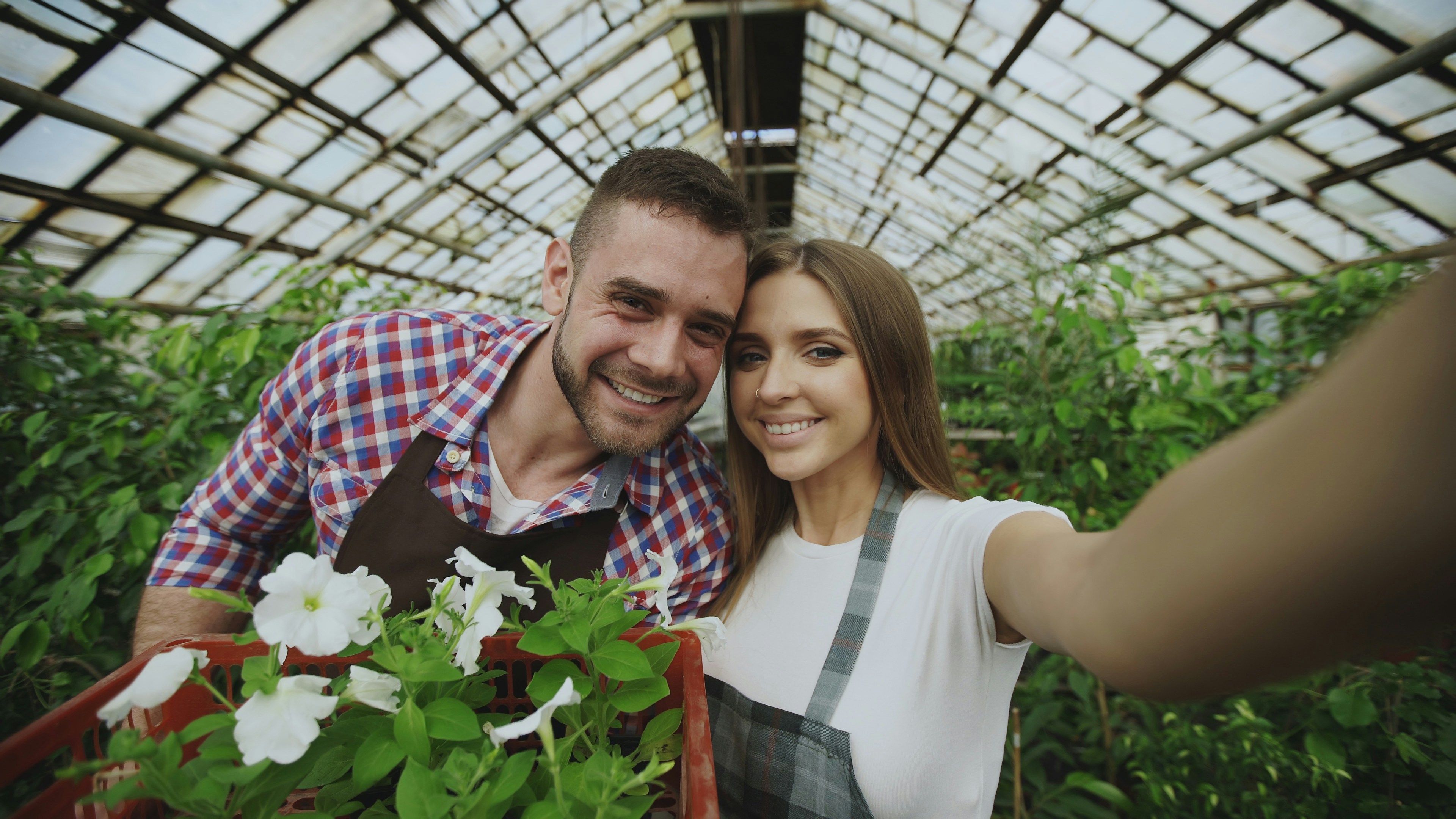
What started as a small patch of cut flowers near the house slowly grew. Sunflowers first. Then dahlias. Then rows of seasonal natives and cottage varieties. Karen studied soil health, irrigation, market trends and floristry. She rose before dawn to harvest, then helped with cattle work mid-morning.
Dave admits he didn’t fully understand the vision at first.
“I thought it was just a hobby,” he laughs. “Turns out she was building a business.”
Within a few years, Karen’s flower farm was supplying local florists, weddings, and weekend markets. She created on-farm workshops, inviting women and families to experience growing and arranging flowers. The flower enterprise didn’t replace cattle, it strengthened the farm’s resilience by diversifying income and bringing new people onto the land.
“It gave me confidence,” Karen says. “Not as Dave’s wife on the farm, but as a farmer in my own right.”
Dave became her biggest supporter, helping with irrigation systems and transport when needed. Farming, they realised, doesn’t have to look one way. It can evolve.
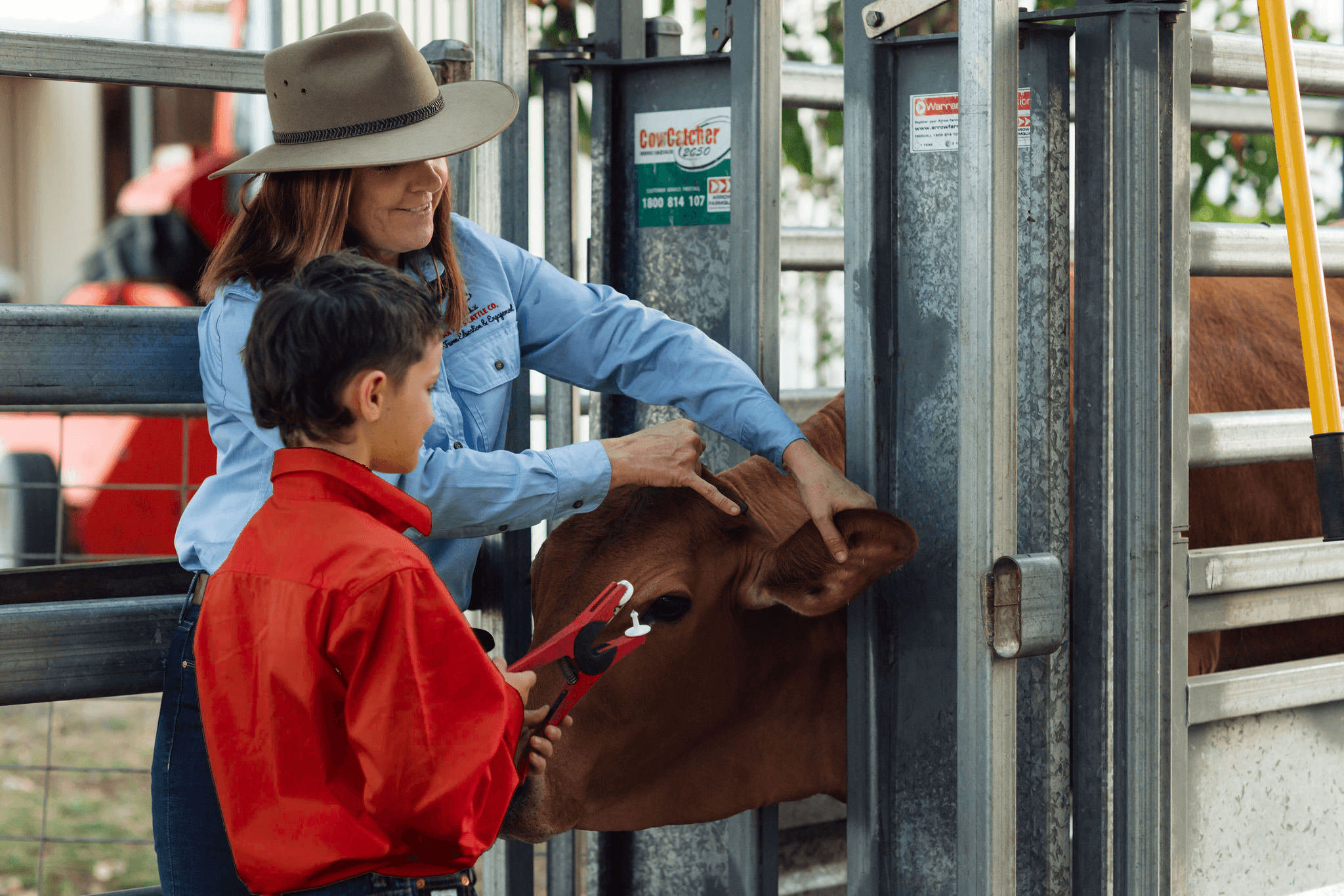
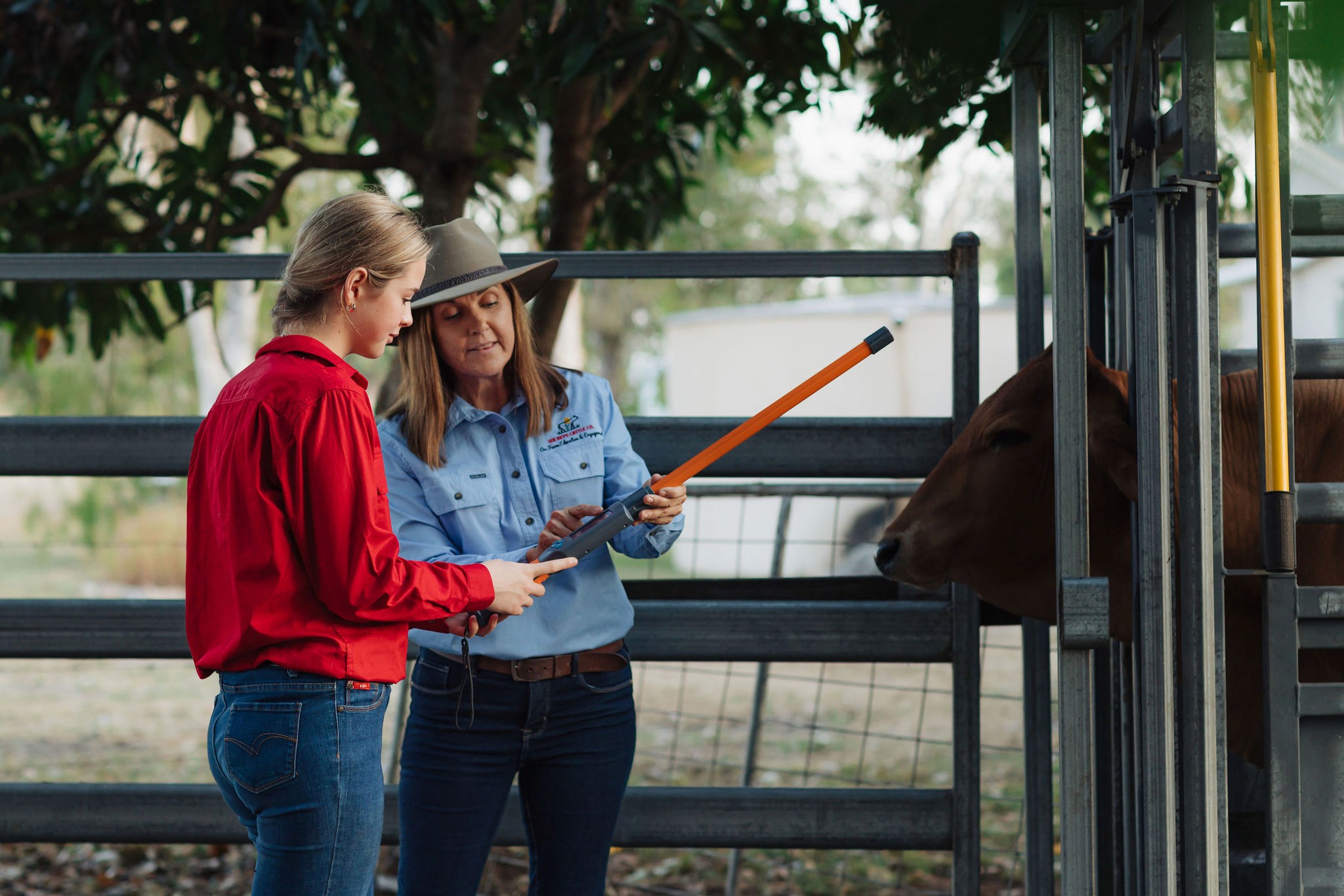
Now when school groups visit Six Keys, Karen shows students both cattle yards and flower rows.
“Farming isn’t one job,” she tells them. “It’s many. There’s room for different strengths.”
Their rule has expanded over time:
“Keep turning up. And don’t be afraid to grow something new.”